.webp)

How to Import Stevia Sweeteners Legally?
Navigating international food ingredient regulations can be complex - what documentation is truly required for legal stevia imports?
Legal stevia imports require proper FDA/EFSA compliance documents, COAs showing 95%+ glycoside purity, and relevant customs forms. Our products always include complete GRAS certification packets and meet all international standards [3].

Understanding these requirements ensures smooth customs clearance and market access. Let's break down the essentials.## How to Test Stevia Product Quality Before Importing?
Importers need concrete quality verification - what test protocols provide reliable pre-shipment assurance?
Third-party HPLC tests for glycoside profiles, pesticide screening, and microbial analysis are essential quality checks. We provide full testing protocols through our ISO 22000 certified labs before shipment [2].

Key Testing Parameters:
| Test Type | Method | Target Specification |
|---|---|---|
| Purity Analysis | HPLC | ≥95% total glycosides |
| Residual Solvents | GC-MS | <50ppm |
| Heavy Metals | ICP-MS | Lead <1ppm |
| Microbiology | USP 2025 | TPC <1000 CFU/g |
We conduct these tests at multiple production stages for guaranteed consistency [2].## How to Choose Between Different Stevia Grades?
With various purity grades available, which specification truly matches your application needs?
Select stevia grades based on: end product type (beverage/baking), formulation challenges, and budget constraints. Our product specialists help match grades to specific applications:

Grade Comparison Guide:
| Grade | Purity | Best For | Cost Factor |
|---|---|---|---|
| Food Grade | 80-90% | Bulk industrial use | $ |
| Pharma Grade | 95%+ | Supplements/pharma | $$ |
| Enhanced Solubility | Custom | RTD beverages | $$$ |
| Organic Certified | 95%+ | Clean label products | $$$$ |
We recommend samples for practical testing before large orders [1][2].## How to Store and Transport Stevia Properly?
Stevia retains quality longest under specific conditions - what storage protocol prevents degradation?
Ideal storage is <25°C with <60% RH in sealed food-grade containers, avoiding direct sunlight. Our packaging includes oxygen scavengers for extended shelf life during transit [5].
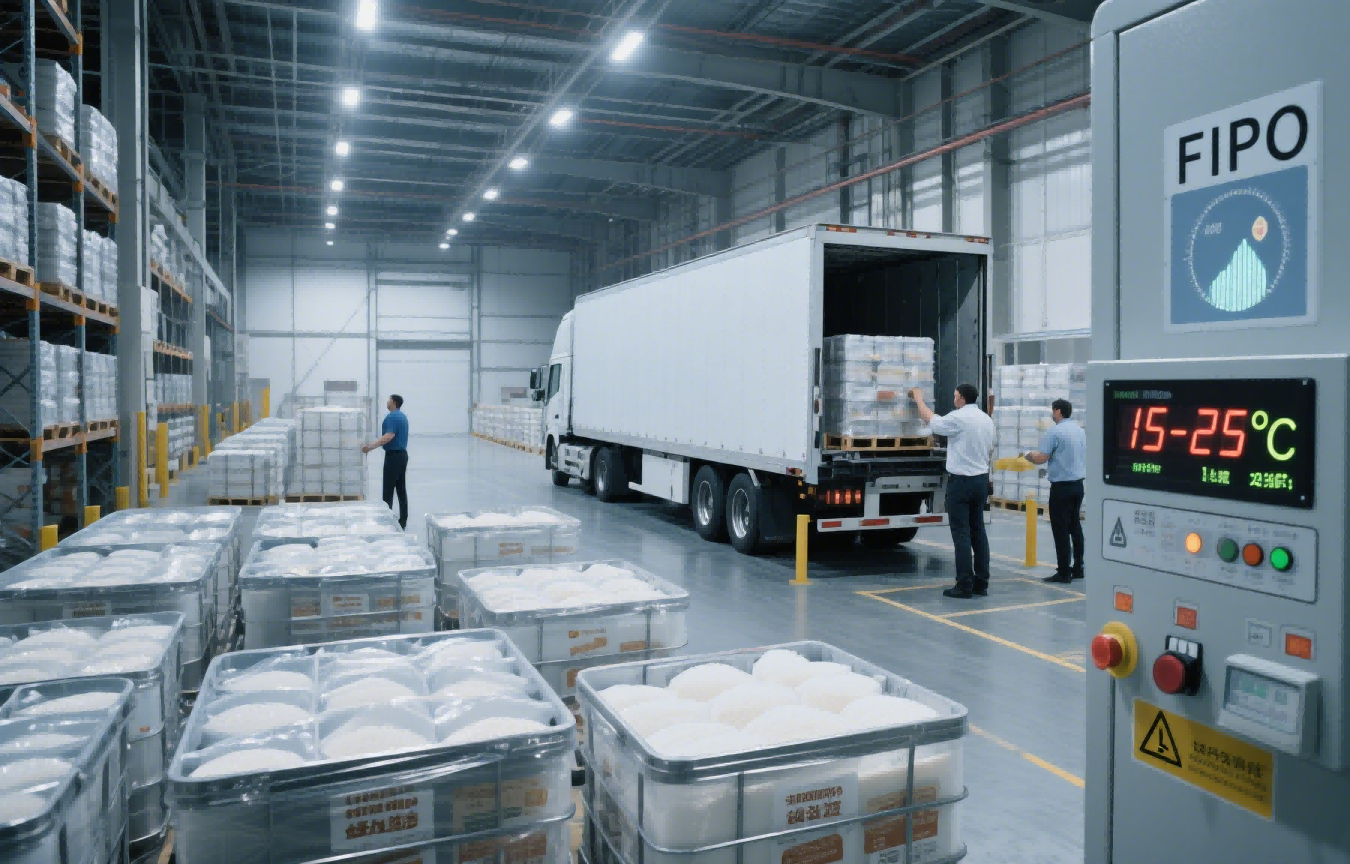
Transportation Best Practices:
-
Climate Control
- Maintain 15-25°C in transit
- Avoid temperature fluctuations
-
Moisture Protection
- Desiccant packs in containers
- Waterproof outer packaging
-
Handling Protocols
- Keep away from strong odors
- FIFO rotation system
Our logistics team provides customized transport solutions for different regions [1][3].
This article was published on June 25, 2025, and last updated on March 16, 2026. The article will be continuously updated.