How to Import Stevia Sweeteners Legally?
Navigating international food ingredient regulations can be complex - what documentation is truly required for legal stevia imports?
Legal stevia imports require proper FDA/EFSA compliance documents, COAs showing 95%+ glycoside purity, and relevant customs forms. Our products always include complete GRAS certification packets and meet all international standards.

Understanding these requirements ensures smooth customs clearance and market access. Let's break down the essentials.
How to Test Stevia Product Quality Before Importing?
Importers need concrete quality verification - what test protocols provide reliable pre-shipment assurance?
Third-party HPLC tests for glycoside profiles, pesticide screening, and microbial analysis are essential quality checks. We provide full testing protocols through our ISO 22000 certified labs before shipment.

Key Testing Parameters:
| Test Type | Method | Target Specification |
|---|
| Purity Analysis | HPLC | ≥95% total glycosides |
| Residual Solvents | GC-MS | <50ppm |
| Heavy Metals | ICP-MS | Lead <1ppm |
| Microbiology | USP 2025 | TPC <1000 CFU/g |
We conduct these tests at multiple production stages for guaranteed consistency.
How to Choose Between Different Stevia Grades?
With various purity grades available, which specification truly matches your application needs?
Select stevia grades based on: end product type (beverage/baking), formulation challenges, and budget constraints. Our product specialists help match grades to specific applications:

Grade Comparison Guide:
| Grade | Purity | Best For | Cost Factor |
|---|
| Food Grade | 80-90% | Bulk industrial use | $ |
| Pharma Grade | 95%+ | Supplements/pharma | $$ |
| Enhanced Solubility | Custom | RTD beverages | $$$ |
| Organic Certified | 95%+ | Clean label products | $$$$ |
We recommend samples for practical testing before large orders.
How to Store and Transport Stevia Properly?
Stevia retains quality longest under specific conditions - what storage protocol prevents degradation?
Ideal storage is <25°C with <60% RH in sealed food-grade containers, avoiding direct sunlight. Our packaging includes oxygen scavengers for extended shelf life during transit.
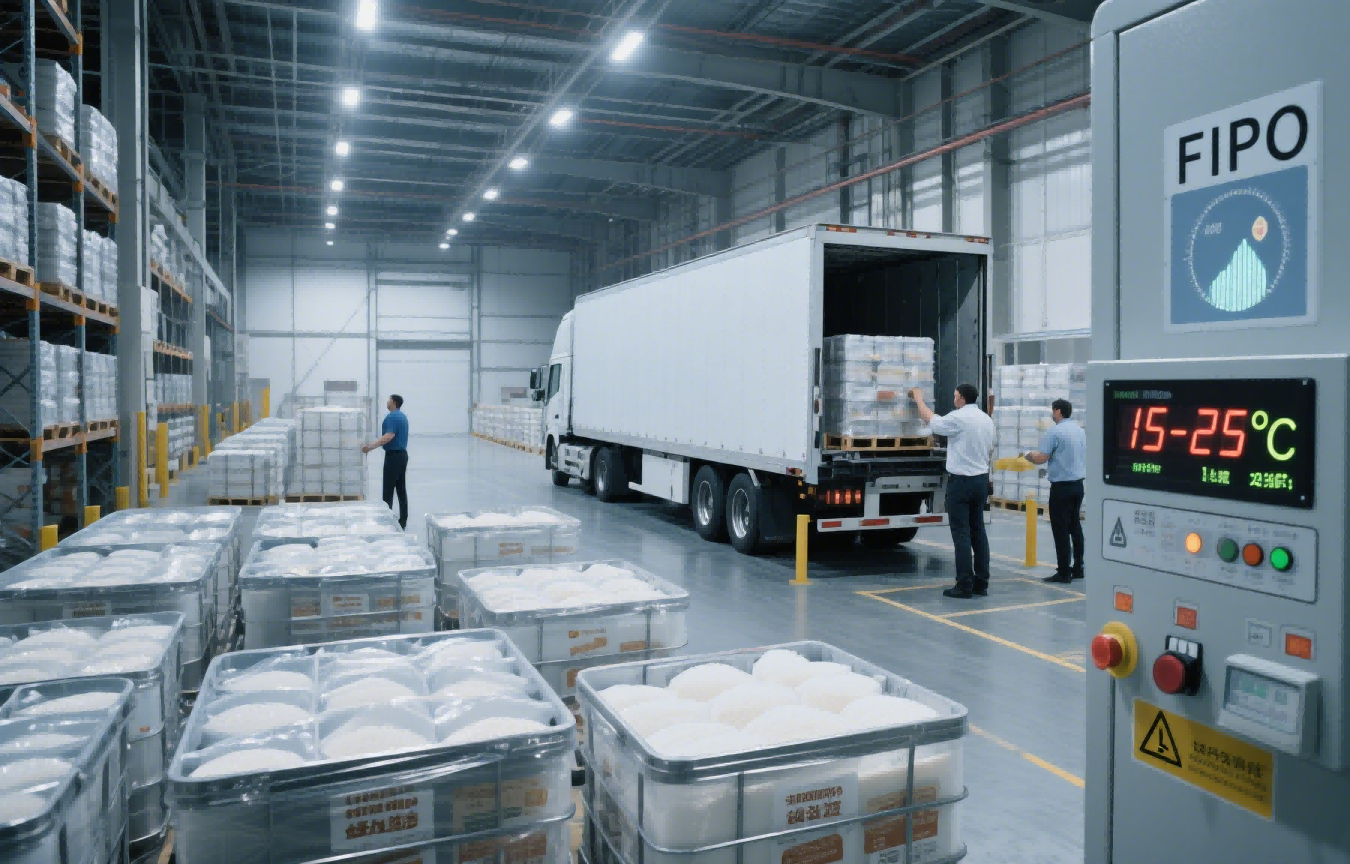
Transportation Best Practices:
- Maintain 15-25°C in transit
- Avoid temperature fluctuations
- Desiccant packs in containers
- Waterproof outer packaging
- Keep away from strong odors
- FIFO rotation system
Our logistics team provides customized transport solutions for different regions.
This article was published on June 25, 2025, and last updated on March 26, 2026. The article will be continuously updated.