



Stv Series
Our STV series steviol glycosides offer 95%+ purity natural sweeteners with zero calories. Optimized for food and beverage applications requiring clean-label, plant-based sweetness without artificial additives.
.webp)
Our STV series steviol glycosides offer 95%+ purity natural sweeteners with zero calories. Optimized for food and beverage applications requiring clean-label, plant-based sweetness without artificial additives.
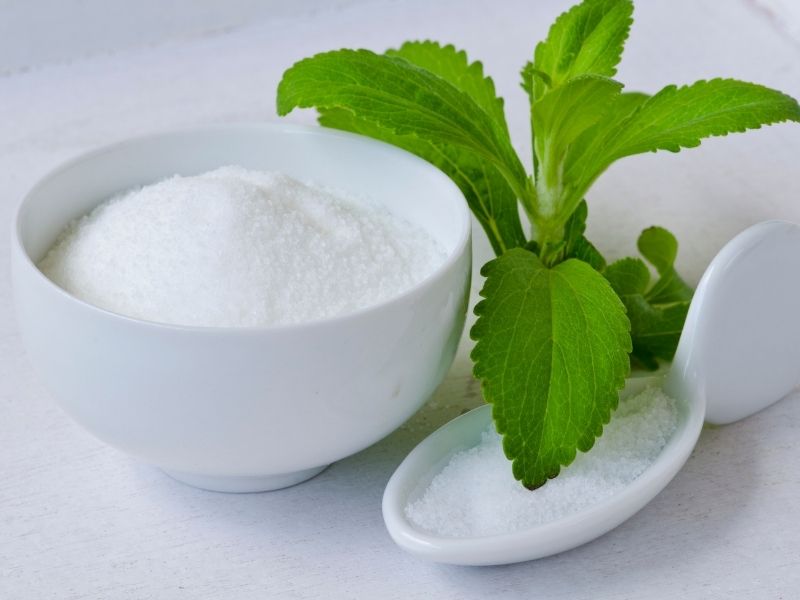
Manufactured under GMP standards with full HPLC testing for guaranteed purity and consistency.
200-300 times sweeter than sugar providing sucrose-like taste while with ZERO calorie and diabetes-friendly
Meets international regulations including FDA GRAS, EFSA, and JECFA standards for global market access.
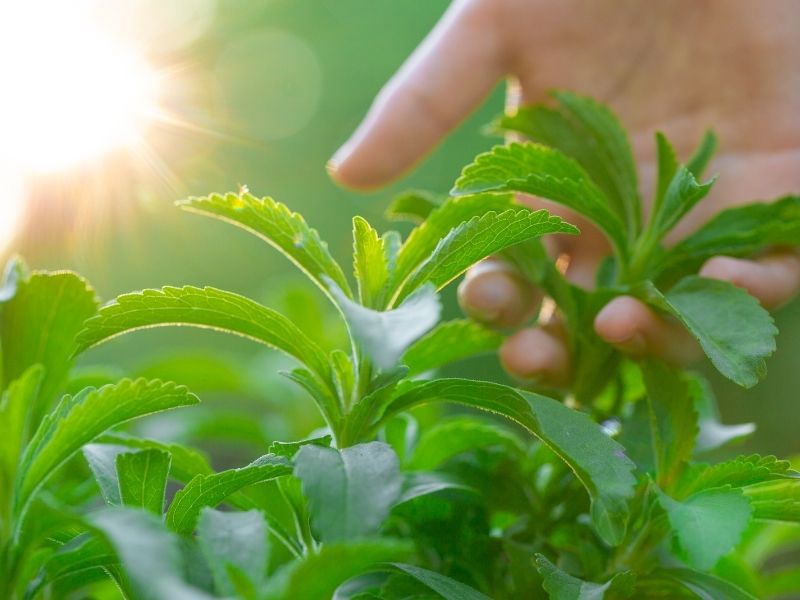
100% plant-derived from premium stevia leaves through water extraction and purification processes.
Annual Capacity
5,000 MTs of high-quality stevia dry leaves
Our high-purity steviol glycosides provide clean-label sweetening solutions with purity ≥99%





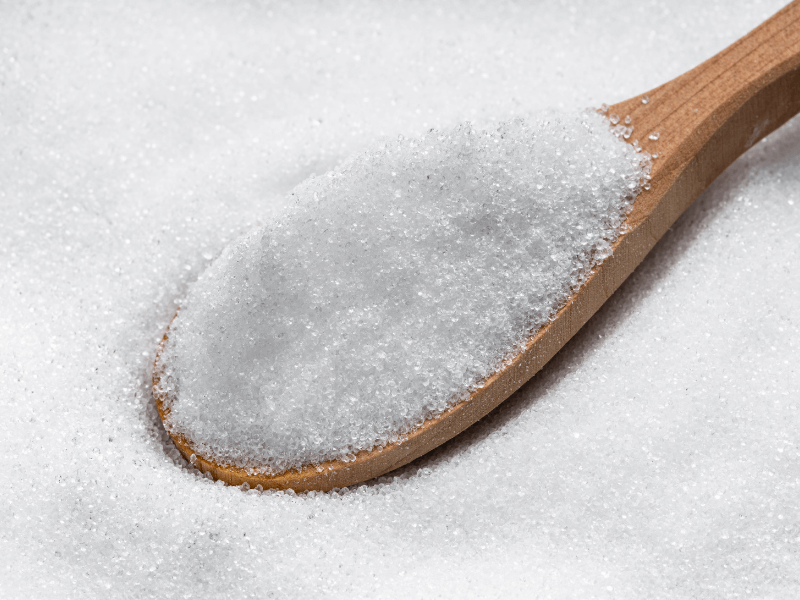
We proudly hold international certifications ensuring the highest quality and safety standards.
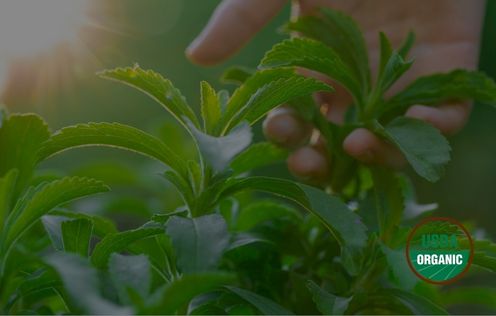
Sinopure holds USDA Organic certification for its stevia products, ensuring compliance with strict organic farming and processing standards.
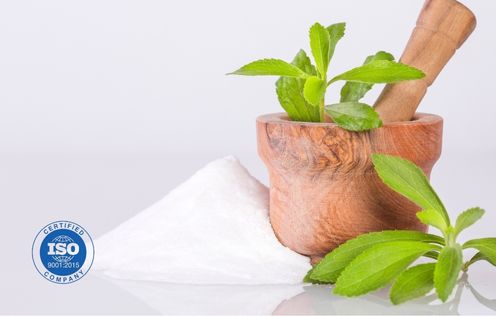
Sinopure's stevia production system is ISO 9001 certified, ensuring stringent quality management across its integrated supply chain from breeding to finished products
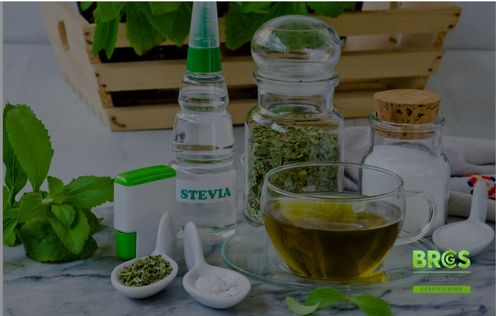
BRCGS (British Retail Consortium Global Standards) certification ensures food safety and quality compliance for retail supply chains
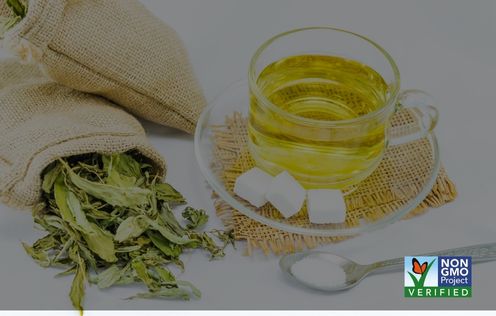
Non-GMO Project Verified is a leading certification confirming products meet strict standards for absence of genetically modified ingredients
HALAL Certification confirms that products meet Islamic dietary and production standards, ensuring no pork, alcohol, or haram additives are used.
KOSHER Certification ensures that food products comply with Jewish dietary laws (Kashrut). It involves strict supervision of ingredients, processing equipment, and production methods.
Everything you need to know about our Stv series stevia products
JECFA/WHO established an ADI of 4mg steviol equivalents/kg bw/day (equivalent to ~12mg STV/kg). This translates to approximately 720mg STV for a 60kg adult. Notably, STV has 90%+ renal excretion within 24 hours (clinical studies) and shows no mutagenicity (AMES test negative) at 5000μg/plate [1][4]. Our products carry usage guidelines compliant with all major markets including FDA GRAS and EU.
According to JECFA and ISO 21253-1:2019, analysis requires C18 column (4.6×250mm, 5μm) with acetonitrile/water (32:68) mobile phase at 1.0mL/min, 210nm detection. Retention times are: Stevioside (6.5min), Reb A (8.2min), Reb C (10.1min).
STV sweetness ranges from 200-350× sucrose depending on glycoside composition. Reb A is 200-250×, Stevioside 250-300×, and purified Reb D/M can reach 350-450×. Blends are typically formulated to match sucrose's temporal profile.
STV remains stable up to 200°C with ≤5% degradation after 1 hour. In acidic conditions (pH 3), solutions maintain >95% integrity after 6 months at 25°C. Degradation follows first-order kinetics with Ea=62.4 kJ/mol between 100-200°C.
Modern production uses: 1) Macroporous resin adsorption (AB-8/XAD-16HP), 2) Nanofiltration (200-300Da MWCO), 3) Continuous chromatography (DAC system), achieving ≥97% purity with <100ppm heavy metals and <500 TPC.
JECFA & FCC standards require: ≤1.0% moisture, ≤0.1% sulfated ash, ≤2.0% residue on ignition, lead ≤1mg/kg, arsenic ≤3mg/kg, microbial counts <1000CFU/g, and absence of solvent residues (methanol <50ppm).
Sinopure has an annual production capacity of 200 tons for high-purity steviol glycosides including STV, utilizing advanced five-stage membrane separation and continuous chromatographic purification systems . The company controls over 10,000 acres of stevia plantations producing 5,000 tons of premium dried leaves annually.
In China, STV is widely used as semi-finished product for further processing in preserved fruits (particularly in candied plums and melon seeds) due to its high stability and clean taste profile . It's also applied in bakery, dairy products, and premium beverages.
Sinopure maintains FDA GRAS, Organic, ISO9001, ISO22000, FSSC22000, HALAL, and KOSHER certifications for its steviol glycoside products including STV . The company implements integrated quality systems meeting international standards for food additives .
Our specifies HPLC analysis using C18 column (250mm length, 0.25mm diameter, 0.25μm particle size) with mobile phase flow rate at 5.0mL/min and detection at 210nm. Sample preparation requires 80°C extraction for 30 minutes .
Sinopure is the only company with complete vertical integration from plant breeding to finished products. The five-stage membrane separation and continuous chromatography achieve ≥97% purity while enzyme-modified STV variants offer enhanced solubility and thermal stability up to 200°C.
The national standard requires: ≥95% total steviol glycosides content, ≤1.0% loss on drying, ≤0.1% sulfated ash, lead ≤1mg/kg, arsenic ≤3mg/kg. HPLC purity for STV should be ≥99.99% with specific mobile phase ratio of water:acetonitrile=70:30.
Premium STV production requires: controlled irrigation (600-800mm/year), specific harvest timing (pre-flowering at 90-100 DAP), and shaded drying (≤40°C). These conditions yield leaves with 12-18% glycoside content and minimal bitter diterpenes . Total steviol glycosides (TSG) must measure ≥10% in raw leaves by HPLC analysis.
STV maintains stability under: pH 2.5-8.0 (<3% degradation after 6 months), temperatures ≤140°C (≤5% loss after 2 hours), and UV exposure (<0.5% change after 500h). Thermal decomposition begins at 200°C (TGA analysis), making it suitable for most thermal processes except ultra-high-temperature sterilization .
Our five-stage membrane system (50kDa → 10kDa → 1kDa → 300Da → RO) removes 98.7% of impurities (polysaccharides, proteins) while retaining 95%+ glycosides. Coupled with continuous chromatography (DAC system), this achieves ≥99.5% STV purity with <100ppm residual solvents - exceeding standards.
Validated HPLC methods show ±1.2% relative uncertainty (k=2) for TSG quantification. System suitability requires: resolution ≥1.5 between STV/RA peaks, tailing factor ≤2.0, and RSD ≤2.0% for six injections. Our in-house methods achieve <0.5% inter-day variation through strict control of column temperature (35±0.5°C) and mobile phase composition (32±0.3% acetonitrile) .
Synergistic effects occur when blending STV with: erythritol (1:50 ratio enhances mouthfeel), monk fruit (1:3 reduces lingering) or allulose (1:10 accelerates onset). Our optimized blends achieve sucrose-matching temporal profiles with 30-50% fewer calories. Critical parameters include particle size distribution (D50=15-25μm) and moisture activity (aw≤0.3) for product stability .
Still have questions about our stv series stevia products?
Contact Our ExpertsHave a question or want to discuss a project? We're here to help. Fill out the form and our team will get back to you as soon as possible.