Natural Sweetener Solutions
a004 Header
No Image

Reb D Series

Provides stable dissolution curve for easy industrial production control
Advanced bio-converted technique and know-how processing make sure high purity of Reb D
Certified for beverage, dairy and health syrup applications
Provide professional formulators with flexible process options
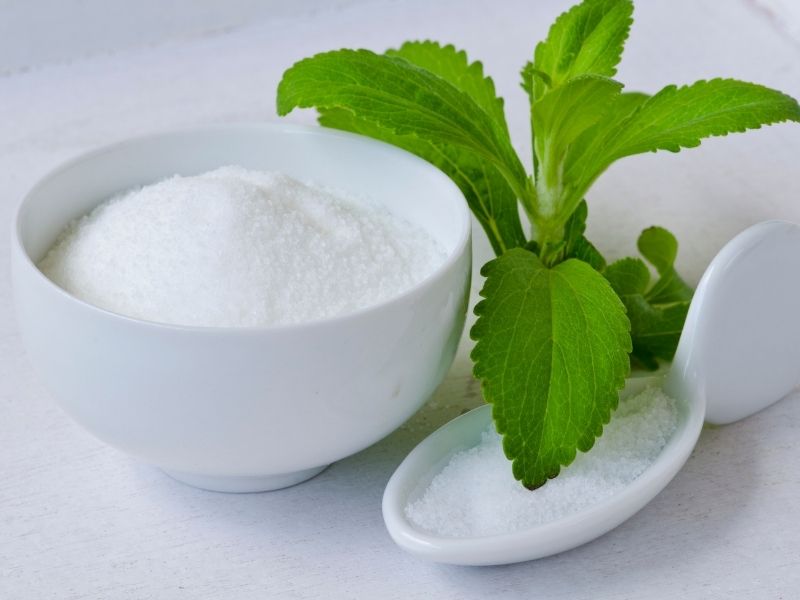
95%+ Bio-converted Reb D

Next-Gen Sugar Replacement with Perfect Taste Profile

200-300x Sweetness
Zero Bitter Aftertaste
C50H80O29
  • Provides stable dissolution curve for easy industrial production control
  • Advanced bio-converted technique and know-how processing make sure high purity of Reb D
  • Certified for beverage, dairy and health syrup applications
  • Provide professional formulators with flexible process options
Enzyme-Modified Reb D Production
Sweetness Multiplier
200-300x
vs. sucrose

Advanced Bio-converted Technology

Proprietary fermentation with biological catalysts enhances RD>=95% while optimizing taste profiles. Annual production capacity of 200MT.

ISO 9001 FDA GRAS 200MT/Y
1

High-Efficiency Enzyme Proces

3.0×10⁵ U/g protein activity extracts rare Reb D with 98% efficiency.

Technology: 5-stage membrane separation
2

Superior Taste Profile

90% bitterness reduction with optimized sweetness curve matching sucrose.

Result: 8% residual bitterness
3

Premium Purity Standard

≥99% Reb D with 200MT annual output meeting international standards

Capacity: 5,000 MTs raw leaves
4

Advanced Processing

40-200°C thermal stability with Advanced Bio-converted Technology.

Range: 80-99% specifications
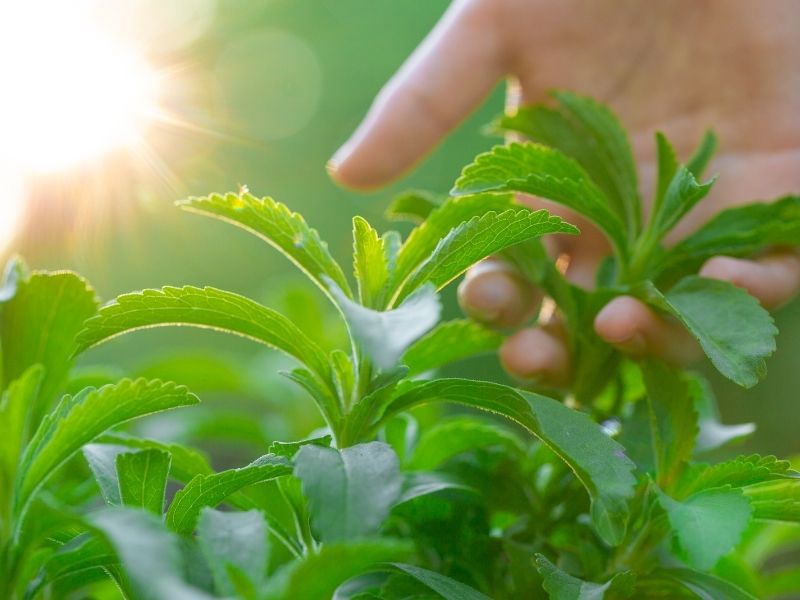
Stevia Planting Base

Annual Capacity

5,000 MTs of high-quality stevia dry leaves

Direct Supply of Stevia from the Source

Production Capacity Assurance

    3 Breeding Bases – We operate three specialized stevia seedling breeding centers. 250 Million Seedlings Annually – Our facilities produce over 250 million high-quality stevia plants each year. 10,000+ Acres of Cultivation – Our stevia farms span more than 10,000 acres across multiple provinces. 5,000 MTs of Dry Leaves – We harvest approximately 5,000 MTs of premium stevia leaves annually. Customized Cultivation Service – We provide tailored planting solutions to meet strategic partners’ specific requirements.

Natural Sweetener Solutions

Our high-purity steviol glycosides provide clean-label sweetening solutions with purity ≥99%

Bakery

Bakery Products

Confectionery

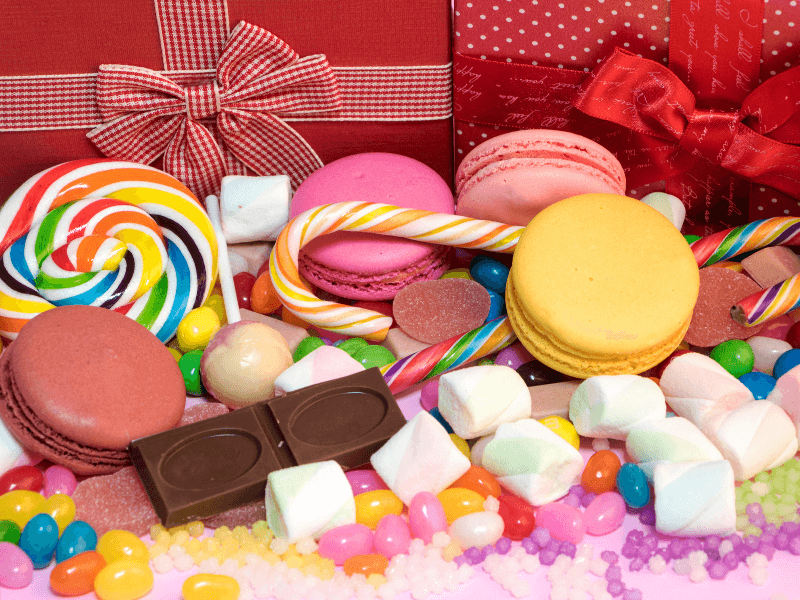
Confectionery

Pharmaceutical

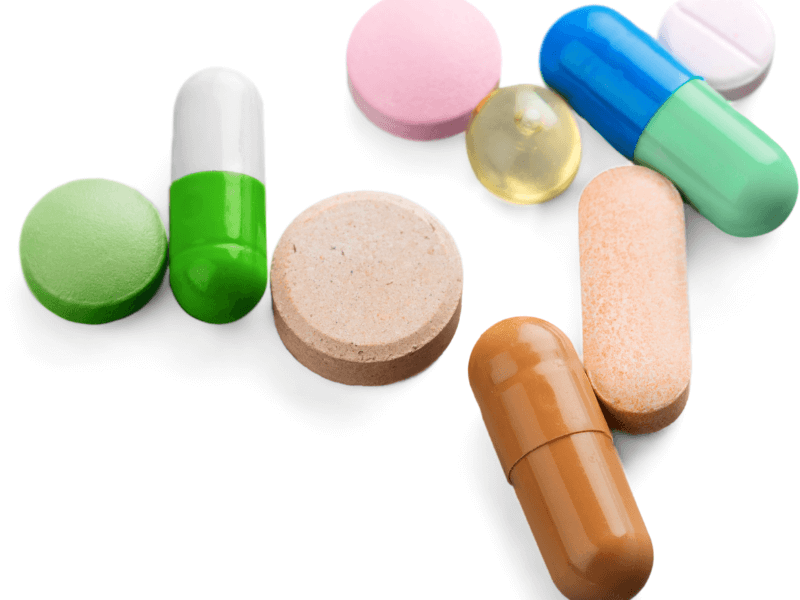
Pharmaceutical/Tablet

Beverages

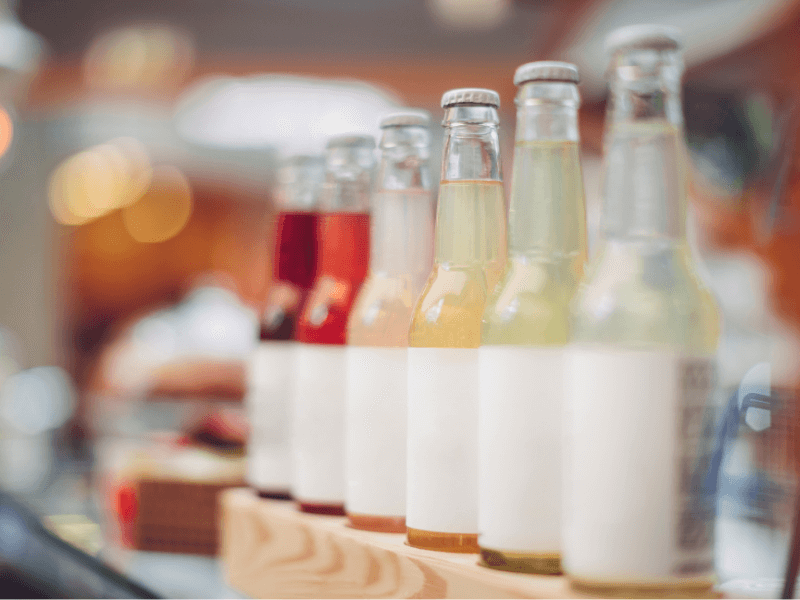
Carbonated Drinks

Tea

Tea & Coffee

Syrups

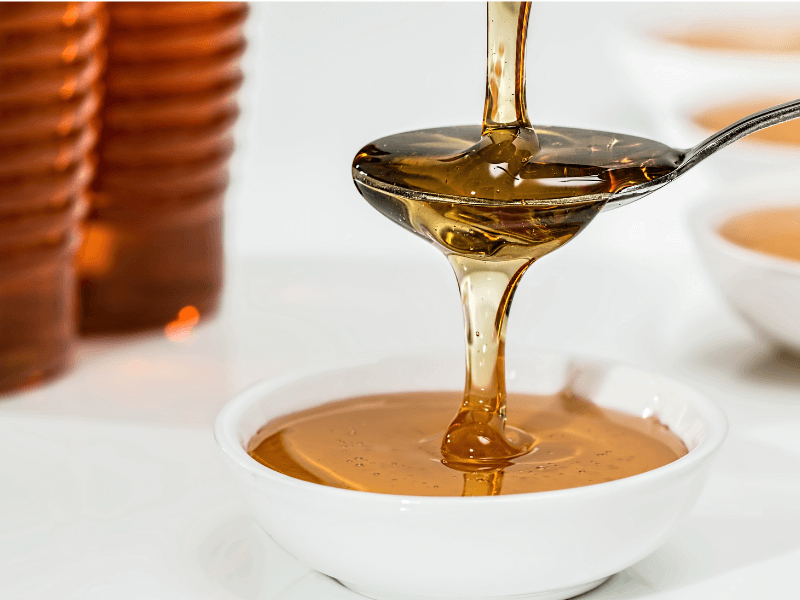
Oral Syrups

Personal Care

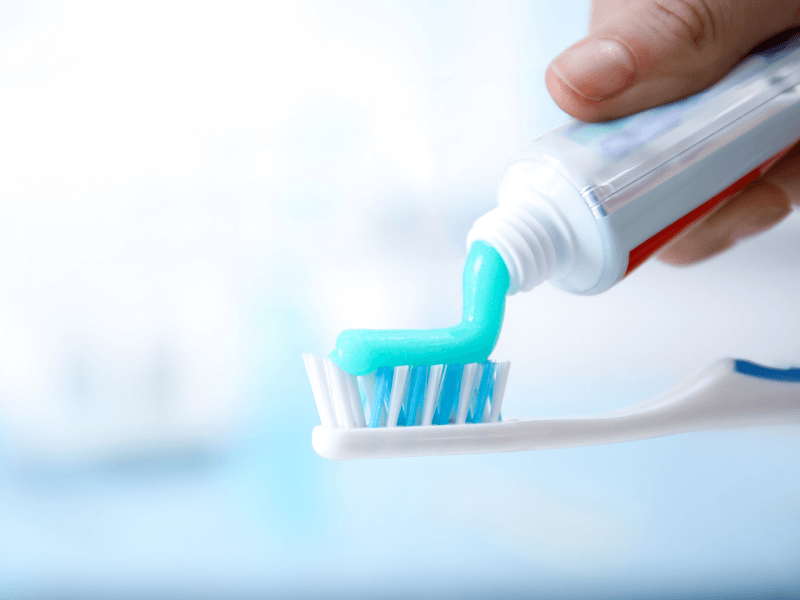
Toothpaste

Custom Production

Customized Formulations

Our Certifications

We proudly hold international certifications ensuring the highest quality and safety standards.

FDA GRAS Certification

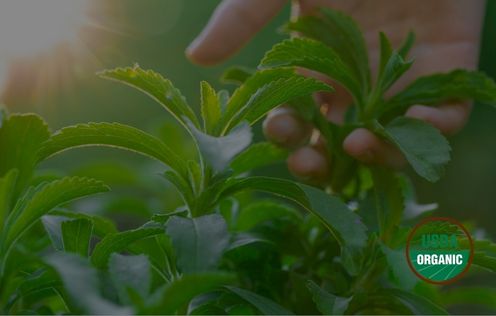
USDA Organic

USDA Organic

Sinopure holds USDA Organic certification for its stevia products, ensuring compliance with strict organic farming and processing standards.

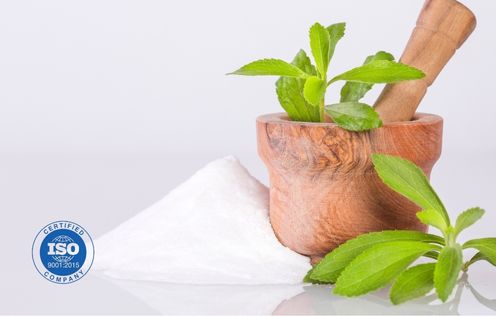
ISO 9001 Certification

ISO 9001

ISO 9001

Sinopure's stevia production system is ISO 9001 certified, ensuring stringent quality management across its integrated supply chain from breeding to finished products

ISO 22000 Certification

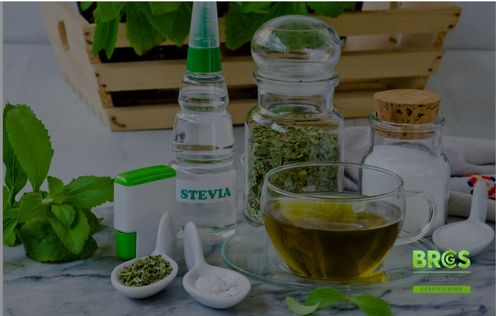
BRCS

BRCS

BRCGS (British Retail Consortium Global Standards) certification ensures food safety and quality compliance for retail supply chains

FSSC 22000 Certification

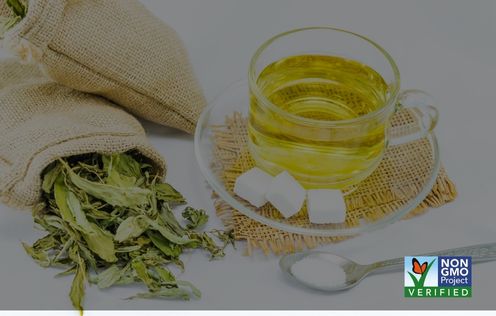
Non GMO.

Non GMO.

Non-GMO Project Verified is a leading certification confirming products meet strict standards for absence of genetically modified ingredients

HALAL Certification

HALAL

HALAL

HALAL Certification confirms that products meet Islamic dietary and production standards, ensuring no pork, alcohol, or haram additives are used.

KOSHER Certification

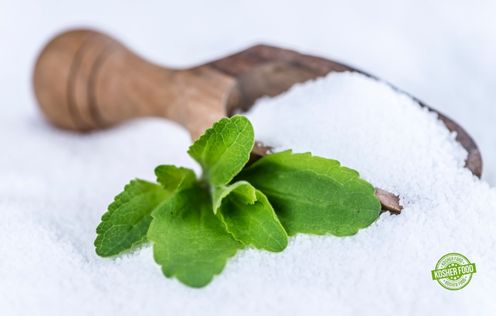
KOSHER

KOSHER

KOSHER Certification ensures that food products comply with Jewish dietary laws (Kashrut). It involves strict supervision of ingredients, processing equipment, and production methods.

Frequently Asked Questions

Everything you need to know about our Reb D series stevia products

How does Reb D's molecular structure differ from Reb A?

Reb D contains two β-D-glucose units at C-13 and one β-D-glucose at C-19 (vs two glucoses at each position in Reb A), resulting in 30-40% lower solubility but improved thermal stability (decomposition at 220°C vs 195°C for Reb A).

What's the optimal solvent system for Reb D crystallization?

Ethanol-water (65:35 v/v) at 45°C yields 92-95% pure Reb D crystals (confirmed by HPLC-ELSD), with controlled cooling at 0.3°C/min to prevent inclusion of Reb M impurities which co-crystallize above 0.5°C/min.

What's the permissible Reb M content in 95% Reb D?

FCC XI specifies ≤3.5% Reb M in 95% pure Reb D. Our process achieves ≤2.8% through selective adsorption chromatography using DIAION® HP-20 resin with 42% ethanol elution.

How does Reb D's thermal stability compare to Reb A?

Reb D shows 12-15% greater thermal stability, with only 5% degradation at 150°C for 30min (vs 18% for Reb A), making it superior for baked goods requiring high-temperature processing.

What's the relative sweetness intensity of Reb D?

Reb D exhibits 250-300× sucrose sweetness (vs 350-450× for Reb A) but with delayed onset (3-4s) and longer duration (150-180s), yielding a more sucrose-like temporal profile ideal for dairy applications.

Are there special handling requirements for Reb D raw material?

Fresh leaves require processing within 6hrs of harvest (vs 8hrs for Reb A) due to 40% faster enzymatic degradation. Must maintain 85-90% RH and 15-18°C during transport, with CO₂ levels <2000ppm to prevent glucosidase activation.

What particle size distribution is ideal for Reb D powder?

Optimal Reb D powder achieves D50=120-150μm with span value ≤1.8 through jet milling (2.5 bar, -20°C). This ensures bulk density of 0.45-0.55g/cm³ for optimal flowability while maintaining dissolution time ≤15s in 25°C water.

>What's the degradation profile of Reb D under UV light?

Fresh leaves require processing within 6hrs of harvest (vs 8hrs for Reb A) due to 40% faster enzymatic degradation. Must maintain 85-90% RH and 15-18°C during transport, with CO₂ levels <2000ppm to prevent glucosidase activation

How is color controlled in Reb D final product?

Activated carbon treatment (0.5% w/v, 60°C for 30min) achieves APHA color ≤20. Hunter Lab values must show L* ≥85, a* -0.5 to +0.5, b* ≤5.0, measured against 10% aqueous solution with spectrophotometer at 420nm.

Does Reb D require different pasteurization parameters than Reb A?

Yes, Reb D solutions tolerate higher temperatures: 85°C for 40s (vs 75°C for Reb A) due to its glycosylation pattern. This allows for commercial sterilization while maintaining <1.5% degradation, verified by post-heat HPLC analysis.

What's the pH stability range for Reb D solutions?

Reb D demonstrates superior pH stability vs Reb A, with <3% degradation after 30 days at pH 2.5-8.5 (25°C). Optimal stability occurs at pH 5.0-6.5, where degradation remains <0.5%/month under accelerated conditions (40°C/75% RH).

How does Reb D perform in high-Brix systems?

Reb D shows 23% less sweetness suppression than Reb A in 65°Brix solutions, with linear sweetness perception up to 500ppm concentration. Solubility remains >100g/L in 60°Brix sucrose solutions at 4°C, making it ideal for concentrated beverage syrups.

What membrane pore size is optimal for Reb D ultrafiltration?

10kDa ceramic membranes achieve 98.5% Reb D recovery while removing 99.2% of pigments and proteins. Operating at 2.5bar transmembrane pressure with 50°C feed temperature maintains flux rate of 15-18LMH without fouling.

Does Reb D exhibit different crystallization behavior than Reb A?

Reb D requires 12-15% slower cooling rates (0.2°C/min vs 0.35°C/min for Reb A) due to its anisotropic crystal growth. Orthorhombic crystals form at 55-58% ethanol concentration, yielding 20% larger particle size (150-180μm) with superior purity (99.3±0.4%).

What microbial standards apply to Reb D powder?

USP <1111> mandates: TAMC ≤1000 CFU/g, TYMC ≤100 CFU/g, absence of E. coli in 10g. Our irradiation treatment (5kGy gamma) achieves sterility assurance level 10⁻³ while causing <0.8% Reb D degradation.

How does HPLC column selection differ for Reb D analysis?

Zorbax SB-C18 (3.5μm, 4.6×150mm) provides 1.8x better resolution than standard C18 for Reb D/Reb M separation (Rs=2.3). Mobile phase requires 22% acetonitrile in 0.1% phosphoric acid (v/v) at 1.2mL/min for optimal peak symmetry (As=0.95-1.05).

Still have questions about our Reb D series stevia products?

Contact Our Experts

FAQ

Get in Touch

Have a question or want to discuss a project? We're here to help. Fill out the form and our team will get back to you as soon as possible.