Monk Fruit Powder
Premium Monk Fruit Supplier | 100% Plant-Based Sweetness
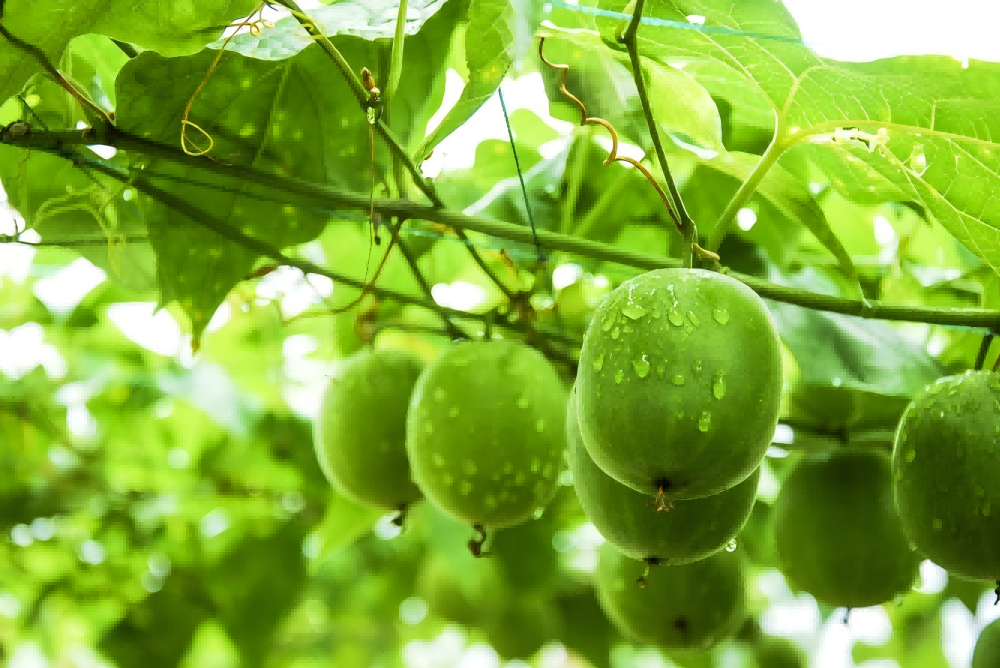
Our monk fruit powder is extracted from premium quality Siraitia grosvenorii fruits, offering 1%-20% mogrosides content. This natural sweetener sweetness is up to 80X of sucrose, making it ideal for sugar-free products, beverages, and healthy snacks.
Premium Quality
Produced through water extraction and membrane filtration technology to ensure maximum purity (>99.5%) and natural profile.
Flavor Mask
Monk fruit powder contributes a unique flavor note, enhances the sensory complexity of food and beverage matrices. It can be a matching partner of protein powder.
Global Compliance
Meets FDA GRAS, EFSA, and international food safety standards with full traceability from farm to powder.
Clean Label
100% natural plant extract with no artificial additives, perfect for clean-label and keto-friendly products.
Natural Sweetener Solutions
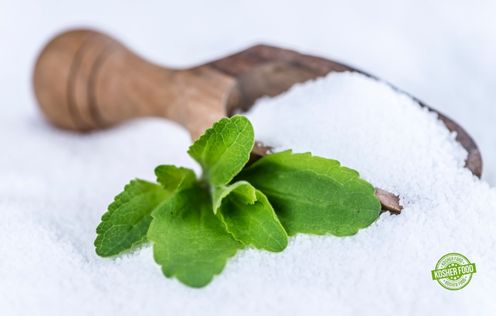
Our high-purity steviol glycosides provide clean-label sweetening solutions with purity ≥99%
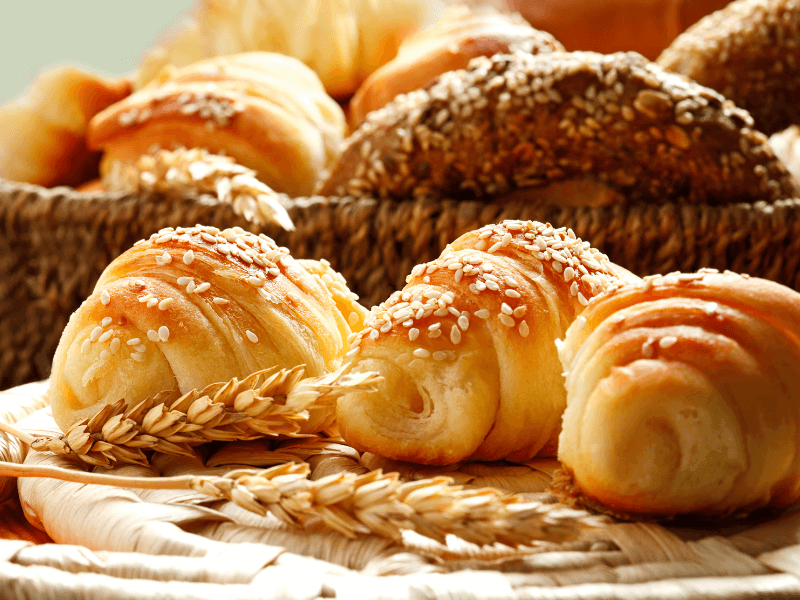
Bakery Products
Confectionery
Pharmaceutical/Tablet
Carbonated Drinks
Tea & Coffee
Oral Syrups
Toothpaste
Customized Formulations
Our Certifications
We proudly hold international certifications ensuring the highest quality and safety standards.
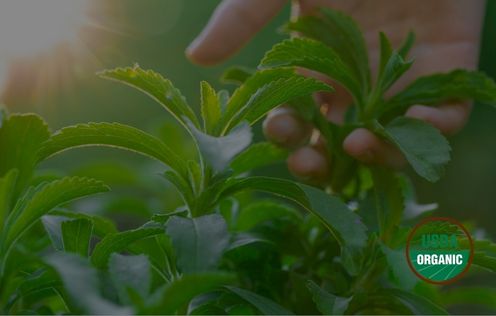
USDA Organic
USDA Organic
Sinopure holds USDA Organic certification for its stevia products, ensuring compliance with strict organic farming and processing standards.
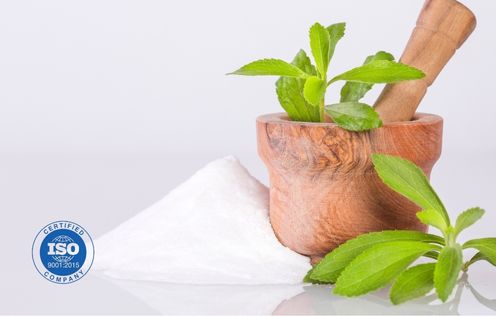
ISO 9001
ISO 9001
Sinopure's stevia production system is ISO 9001 certified, ensuring stringent quality management across its integrated supply chain from breeding to finished products
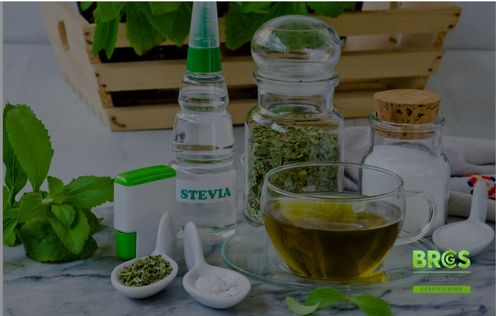
BRCS
BRCS
BRCGS (British Retail Consortium Global Standards) certification ensures food safety and quality compliance for retail supply chains
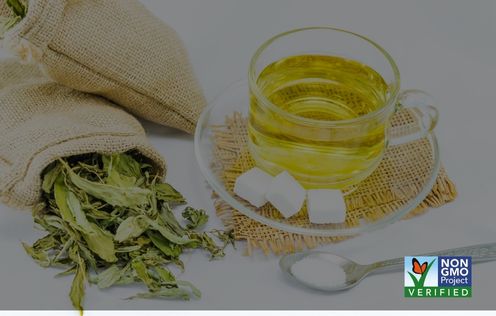
Non GMO.
Non GMO.
Non-GMO Project Verified is a leading certification confirming products meet strict standards for absence of genetically modified ingredients
HALAL
HALAL
HALAL Certification confirms that products meet Islamic dietary and production standards, ensuring no pork, alcohol, or haram additives are used.
KOSHER
KOSHER
KOSHER Certification ensures that food products comply with Jewish dietary laws (Kashrut). It involves strict supervision of ingredients, processing equipment, and production methods.
Frequently Asked Questions
Everything you need to know about our monk fruit powder series products
What are the main product specifications for monk fruit powder?
Monk fruit powder comes in two main categories: flavor enhancers (MV1%, MV13.5%, MV15%, MV20%) for masking off-flavors and boosting sweetness, and sweeteners (MV30%, MV40%, MV50%) for sugar replacement. These products are specially processed for stable taste and clean label applications.
What are the primary applications of monk fruit powder?
Monk fruit powder is widely used in preserved fruits (especially candied plums and seeds), sauces, bakery products, dairy, premium beverages, and health supplements. It's particularly effective for diabetic-friendly products due to its zero-calorie property and clean sweetness profile.
What makes monk fruit powder superior to other sweeteners?
Monk fruit powder offers natural, zero-calorie sweetness with clean label advantages. It effectively masks off-flavors in protein products and provides a more balanced sweetness compared to artificial sweeteners. High-purity versions (MV30-50%) are particularly useful for replacing sugar in health-conscious formulations.
What are the typical processing conditions for monk fruit powder?
Standard processing involves column chromatography (C18, 30m length, 0.25mm diameter) with mobile phase flow rate at 5.0mL/min. Extraction typically occurs at 80°C for 30 minutes to ensure optimal yield and purity.
What quality certifications are available for monk fruit powder?
Our monk fruit powder products meet international standards including FDA GRAS, ISO9001, ISO22000, FSSC22000, HALAL, and KOSHER certifications, ensuring global market compliance.
How does monk fruit powder compare to stevia in sweetness profile?
While stevia glycosides (like Reb A, Reb D) offer 150-350× sweetness, monk fruit powder provides cleaner taste without the bitter aftertaste sometimes associated with stevia. This makes it particularly suitable for premium applications where taste purity is critical.
What are the stability parameters for monk fruit powder during processing?
Monk fruit powder maintains stability under: pH 3-8 (±2% potency loss after 6 months), temperatures ≤150°C (≤5% degradation after 1 hour), and UV exposure (<1% change after 300h). The powder retains ≥95% mogroside content when stored at ≤25°C/60% RH for 24 months. Thermal decomposition begins at 210°C (DSC analysis) .
What are the standard testing methods for monk fruit powder purity?
HPLC analysis using NH2 column (250×4.6mm, 5μm) with mobile phase (acetonitrile:water=75:25) at 1.0mL/min flow rate. Detection at 210nm measures mogrosides III-V with ±1.5% measurement uncertainty (k=2). System suitability requires resolution ≥1.8 between mogroside V/VI peaks and RSD ≤2.5% for replicate injections.
What are optimal blending ratios with other sweeteners?
Recommended blends: erythritol (1:100 ratio, masks cooling effect), allulose (1:50 enhances browning), or stevia (1:3 reduces bitterness). Our MV30% powder blends show perfect synergy with inulin (1:20) for fiber enrichment. Critical parameters include particle size (D90≤50μm) and bulk density (0.35-0.55g/cm³) for uniform mixing .
What are the safety limits for monk fruit powder consumption?
JECFA established an ADI of 25mg mogrosides/kg bw/day (equivalent to ~830mg MV50% powder for 60kg adult). Clinical studies show 98% renal excretion within 48 hours and no genotoxicity. Our products comply with FDA GRAS and EU Novel Food regulations.
What is the solubility profile of monk fruit powder?
Water solubility varies by mogroside content: MV50% dissolves completely at 25°C (100g/L), while MV20% requires ≤40°C. Solubility increases linearly with temperature (R²=0.98). The powder shows excellent stability in solutions (≤5% precipitation after 30 days at 4°C). For beverage applications, pre-dissolution at 50-60°C ensures complete hydration.
What quality parameters distinguish premium monk fruit powder?
Premium grade requires: mogroside V ≥40% (HPLC), moisture ≤6% (Karl Fischer), ash ≤0.2%, lead ≤0.5ppm, arsenic ≤1ppm. Additional markers include color (L*≥85, a*≤2, b*≤10 via Hunter Lab) and microbial counts (TPC≤1000cfu/g). Our MV50% exceeds these with ≥99.5% purity through proprietary membrane filtration.
Still have questions about our monk fruit powder series products?
Contact Our ExpertsFAQ
-
1
What’s GSG’s synergy with other sweeteners? (副本)GSG shows remarkable synergy (1.5-1.8× sweetness enhancement) with erythritol and allulose, but reduces sucralose/metallic aftertaste by 60-70%. Our proprietary blend algorithms optimize these interac…
-
2
What’s GSG’s synergy with other sweeteners?GSG shows remarkable synergy (1.5-1.8× sweetness enhancement) with erythritol and allulose, but reduces sucralose/metallic aftertaste by 60-70%. Our proprietary blend algorithms optimize these interac…
-
3
How is GSG metabolized differently?While conventional steviol glycosides are hydrolyzed by colonic bacteria (7-12h), GSG shows dual-phase metabolism: 40-50% undergoes slow gastric hydrolysis (18-24h) and 50-60% passes through unmodifie…
-
4
Does GSG cross the blood-brain barrier?In vivo studies show GSG has ≤0.01% BBB permeability (vs 0.03-0.05% for standard steviol glycosides) due to increased molecular size from glucosylation, confirmed by LC-MS/MS analysis of cerebrospinal…
-
5
What’s the osmotic pressure impact of GSG?GSG creates 35-45% lower osmotic pressure than sucrose at equivalent sweetness, measured at 250-300 mOsm/kg for 10% GSG solutions vs 450-500 mOsm/kg for sucrose, reducing dehydration effects in sports…
-
6
How does GSG enhance flavor systems?GSG's glucosyl groups form molecular capsules that protect volatile flavor compounds (23-35% less evaporation at 60°C vs sucrose), while reducing astringency by 40-60% in tea/coffee applications throu…
-
7
Does GSG show prebiotic effects?In vitro studies show GSG selectively stimulates Bifidobacterium (2.1× growth) and Lactobacillus (1.8×) without feeding E. coli or C. difficile, with fermentation producing short-chain fatty acids at …
-
8
What viscosity impacts does GSG create?At 10% concentration, GSG solutions show only 1.2-1.5cP viscosity (vs 2-3cP for maltitol or 5-6cP for polydextrose), allowing easy pumping and mixing while providing clean sweetness without textural d…
-
9
How does GSG interact with dairy proteins?The glucosyl groups in GSG reduce hydrophobic interactions with casein by 40-60% (confirmed by SPR analysis), preventing bitterness amplification in dairy, while maintaining 98% stability in UHT milk …
-
10
Is GSG suitable for diabetic products?Yes, GSG maintains zero glycemic index (GI=0) and near-zero caloric content (0.2kcal/g) despite glucosylation, with clinical studies showing no impact on blood glucose levels at recommended doses.
Get in Touch
Have a question or want to discuss a project? We're here to help. Fill out the form and our team will get back to you as soon as possible.
- selina.w@sinopuresweet.com
- Phone: +8618078463065
- WhatsApp: +8618078463065
- www.sinopuresweet.com
- No 7 Bldg, Green Food Industrial Zone, Qiaotou Town, Mingguang, Anhui, China