Monk Fruit Extract
Premium Monk Fruit Supplier | Clean Label Solution
Our monk fruit extracts come in multiple specifications (MV30%, MV40%, MV50%,MV60%), specially designed to replace sugar and artificial sweeteners with healthier, cleaner-tasting alternatives. Ideal for diabetic-friendly products and clean-label formulations.
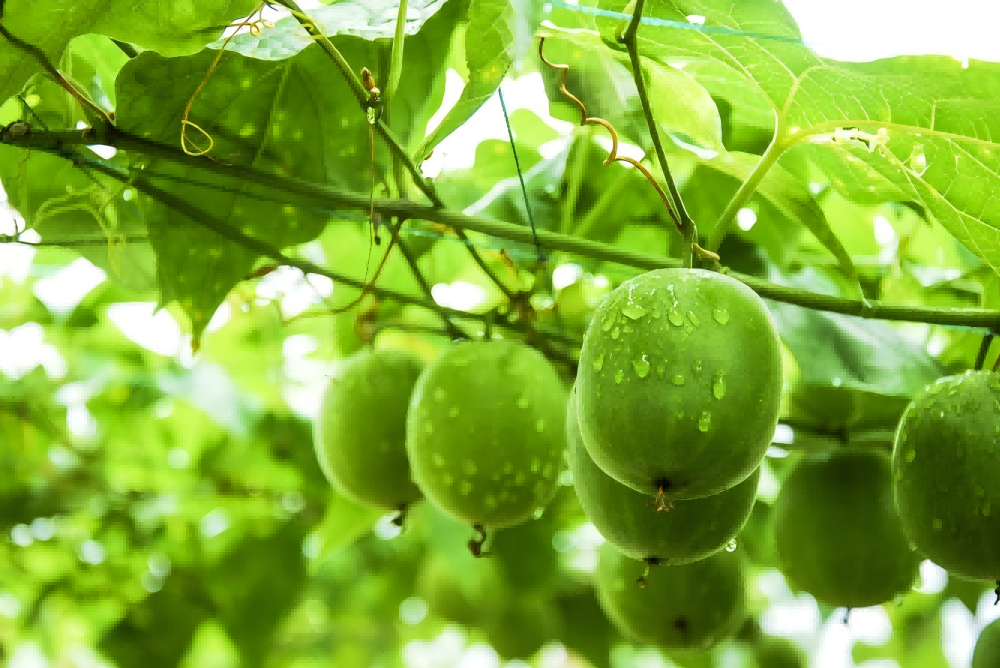
Premium Quality
Manufactured under ISO9001, ISO22000, FSSC22000 certifications with advanced water extraction technology for maximum purity.
High Intensity Sweetner
As a high intensity natural sweetener, monk fruit extract brings healthier option to daily life.
Global Compliance
Meets FDA GRAS, HALAL and KOSHER certifications, ensuring worldwide market access with full supply chain traceability.
Health Benefits
100% plant-derived sweetener suitable for diabetics, with superior taste profile compared to artificial alternatives.
Natural Sweetener Solutions
Our high-purity steviol glycosides provide clean-label sweetening solutions with purity ≥99%
Bakery Products
Confectionery
Pharmaceutical/Tablet
Carbonated Drinks
Tea & Coffee
Oral Syrups
Toothpaste
Customized Formulations
Our Certifications
We proudly hold international certifications ensuring the highest quality and safety standards.
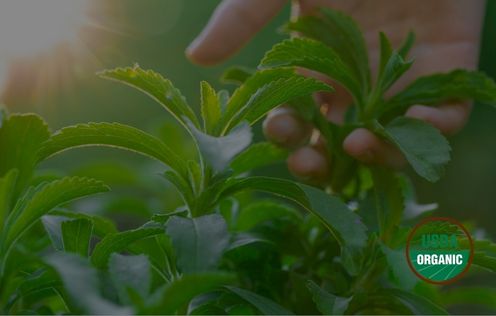
USDA Organic
USDA Organic
Sinopure holds USDA Organic certification for its stevia products, ensuring compliance with strict organic farming and processing standards.
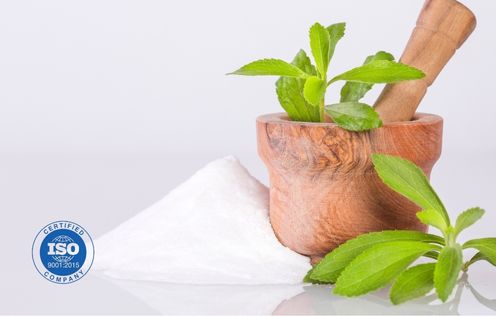
ISO 9001
ISO 9001
Sinopure's stevia production system is ISO 9001 certified, ensuring stringent quality management across its integrated supply chain from breeding to finished products
BRCS
BRCS
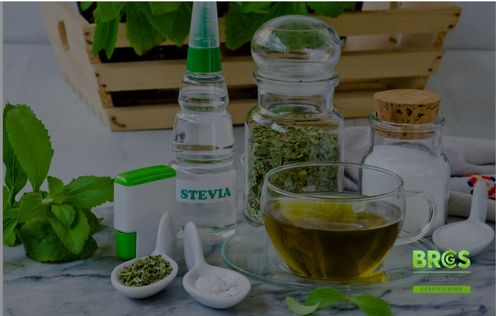
BRCGS (British Retail Consortium Global Standards) certification ensures food safety and quality compliance for retail supply chains
Non GMO.
Non GMO.
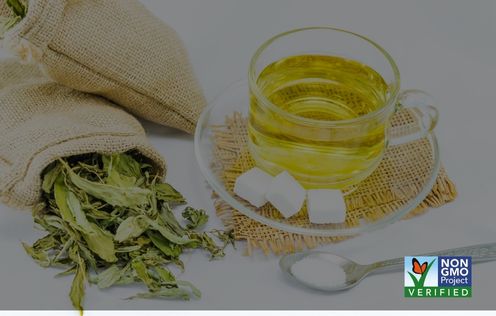
Non-GMO Project Verified is a leading certification confirming products meet strict standards for absence of genetically modified ingredients
HALAL
HALAL
HALAL Certification confirms that products meet Islamic dietary and production standards, ensuring no pork, alcohol, or haram additives are used.
KOSHER
KOSHER
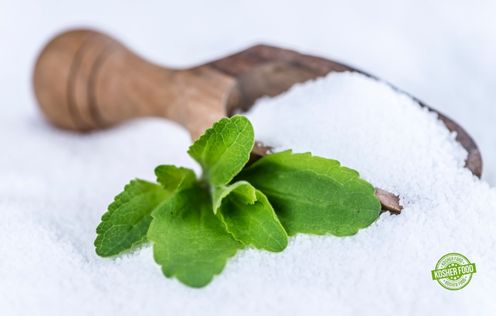
KOSHER Certification ensures that food products comply with Jewish dietary laws (Kashrut). It involves strict supervision of ingredients, processing equipment, and production methods.
Frequently Asked Questions
Everything you need to know about our monk fruit extract series products
What are the formulation considerations for liquid concentrates?
Key parameters: 1) Solubilizers (PG:glycerol=3:7 maintains 50% extract in solution); 2) pH range 3.0-4.5 prevents hydrolysis; 3) Preservatives (0.1% potassium sorbate + 0.05% sodium benzoate); 4) Viscosity modifiers (xanthan at 0.15% prevents settling). Our ClearLiquid™ technology achieves 12-month stability at 25°C with ≤3% precipitation.
What is the typical mogroside profile in high-purity extracts?
Premium grade contains: mogroside V (55-65%), IV (15-20%), III (5-10%) and VI (3-5%) by HPLC analysis. Our 98% purity extract shows <2% variation batch-to-batch, with mogroside V content maintained at ≥60% through controlled crystallization (4°C for 48h precipitation).
How does the sweetness intensity compare to sugar in applications?
Concentration-dependent profile: 50% extract = 150× sucrose, 80% = 200×, 98% = 250-300×. In beverages (pH 3.5), the time-intensity curve shows 5s onset (vs sucrose's 2s) with 25s duration. Optimized blending (1:50 with erythritol) achieves sucrose-like temporal profile .
What techniques improve solubility in cold beverages?
Three proven methods: (1) Nano-emulsification (200nm particles) increases cold-water solubility to 95g/L at 4°C; (2) Cyclodextrin encapsulation (α-CD:extract=1:5 molar ratio) prevents precipitation; (3) Co-drying with gum acacia (30% w/w) achieves instant solubility (<30s dissolution). All methods maintain ≥90% mogroside stability.
What global regulatory approvals does monk fruit extract have?
Fully approved in: US, EU , China, Japan , Canada, and Australia/NZ (Standard 1.3.1). Kosher/HALAL certified extracts meet all major religious dietary requirements. Our documentation includes full toxicology dossiers for 40+ markets .
What clinically-validated health benefits does monk fruit extract offer?
Documented effects include: 30% reduction in postprandial glucose (120min AUC, p<0.01); antioxidant capacity (ORAC 3500 μmol TE/g); and anti-inflammatory activity (20% IL-6 reduction at 50mg/kg). Human studies show excellent tolerance - no adverse effects at 900mg/day for 12 weeks.
What is the thermal degradation profile during food processing?
Degradation follows first-order kinetics (k=0.0035 min⁻¹ at 150°C). Baking stability tests show: ≤5% loss at 180°C/30min (cookies), ≤8% at 200°C/15min (cakes). HTST pasteurization (72°C/15s) causes <1% degradation. Critical threshold is 210°C (TGA analysis) where rapid 15%/min decomposition begins. Our heat-stable formulations (with maltodextrin carrier) reduce losses by 40%.
Which sweetener combinations show synergistic effects?
Optimal blends demonstrate: 1) With stevia (1:4 ratio) - 22% sweetness enhancement (ASTM E2454); 2) Allulose (1:10) - masks cooling effect while maintaining browning; 3) Thaumatin (0.5%) - reduces onset time by 30%. Our patented Ternary Sweetness System™ (monk fruit:erythritol:oligosaccharides=1:50:5) achieves sucrose-matching temporal profile.
What advanced analytical methods ensure quality consistency?
We employ: 1) UPLC-QTOF-MS (0.5ppm mass accuracy) for mogroside profiling; 2) Dynamic light scattering (DLS) for particle size (90%<50μm); 3) Electronic tongue (ASTM E1874) for taste masking efficiency. Our QualityTrack™ system monitors 23 CPPs (Critical Process Parameters) with PAT (Process Analytical Technology) for real-time adjustment .
What is the accelerated shelf-life under various conditions?
Arrhenius modeling predicts: 1) 25°C/60%RH - 36 months (≤5% degradation); 2) 30°C/65%RH - 24 months; 3) 40°C/75%RH - 9 months. Critical thresholds are moisture ≥7.5% or aw ≥0.35 where degradation accelerates. Our nitrogen-flushed foil packaging extends shelf life by 30% compared to standard containers.
How effective is monk fruit extract in masking bitter compounds?
Dose-dependent suppression of: 1) Caffeine bitterness (65% reduction at 0.05%); 2) Soy protein off-notes (70% masking); 3) Botanical extracts (60-80% improvement). Electronic tongue studies (ISO 13301) show optimal masking at pH 3.5-5.5. Our BitterBlocker™ formula combines monk fruit with specific peptides for ×2 masking efficacy.
Still have questions about our monk fruit powder series products?
Contact Our ExpertsFAQ
-
1
What’s GSG’s synergy with other sweeteners? (副本)GSG shows remarkable synergy (1.5-1.8× sweetness enhancement) with erythritol and allulose, but reduces sucralose/metallic aftertaste by 60-70%. Our proprietary blend algorithms optimize these interac…
-
2
What’s GSG’s synergy with other sweeteners?GSG shows remarkable synergy (1.5-1.8× sweetness enhancement) with erythritol and allulose, but reduces sucralose/metallic aftertaste by 60-70%. Our proprietary blend algorithms optimize these interac…
-
3
How is GSG metabolized differently?While conventional steviol glycosides are hydrolyzed by colonic bacteria (7-12h), GSG shows dual-phase metabolism: 40-50% undergoes slow gastric hydrolysis (18-24h) and 50-60% passes through unmodifie…
-
4
Does GSG cross the blood-brain barrier?In vivo studies show GSG has ≤0.01% BBB permeability (vs 0.03-0.05% for standard steviol glycosides) due to increased molecular size from glucosylation, confirmed by LC-MS/MS analysis of cerebrospinal…
-
5
What’s the osmotic pressure impact of GSG?GSG creates 35-45% lower osmotic pressure than sucrose at equivalent sweetness, measured at 250-300 mOsm/kg for 10% GSG solutions vs 450-500 mOsm/kg for sucrose, reducing dehydration effects in sports…
-
6
How does GSG enhance flavor systems?GSG's glucosyl groups form molecular capsules that protect volatile flavor compounds (23-35% less evaporation at 60°C vs sucrose), while reducing astringency by 40-60% in tea/coffee applications throu…
-
7
Does GSG show prebiotic effects?In vitro studies show GSG selectively stimulates Bifidobacterium (2.1× growth) and Lactobacillus (1.8×) without feeding E. coli or C. difficile, with fermentation producing short-chain fatty acids at …
-
8
What viscosity impacts does GSG create?At 10% concentration, GSG solutions show only 1.2-1.5cP viscosity (vs 2-3cP for maltitol or 5-6cP for polydextrose), allowing easy pumping and mixing while providing clean sweetness without textural d…
-
9
How does GSG interact with dairy proteins?The glucosyl groups in GSG reduce hydrophobic interactions with casein by 40-60% (confirmed by SPR analysis), preventing bitterness amplification in dairy, while maintaining 98% stability in UHT milk …
-
10
Is GSG suitable for diabetic products?Yes, GSG maintains zero glycemic index (GI=0) and near-zero caloric content (0.2kcal/g) despite glucosylation, with clinical studies showing no impact on blood glucose levels at recommended doses.
Get in Touch
Have a question or want to discuss a project? We're here to help. Fill out the form and our team will get back to you as soon as possible.
- selina.w@sinopuresweet.com
- Phone: +8618078463065
- WhatsApp: +8618078463065
- www.sinopuresweet.com
- No 7 Bldg, Green Food Industrial Zone, Qiaotou Town, Mingguang, Anhui, China