.webp)
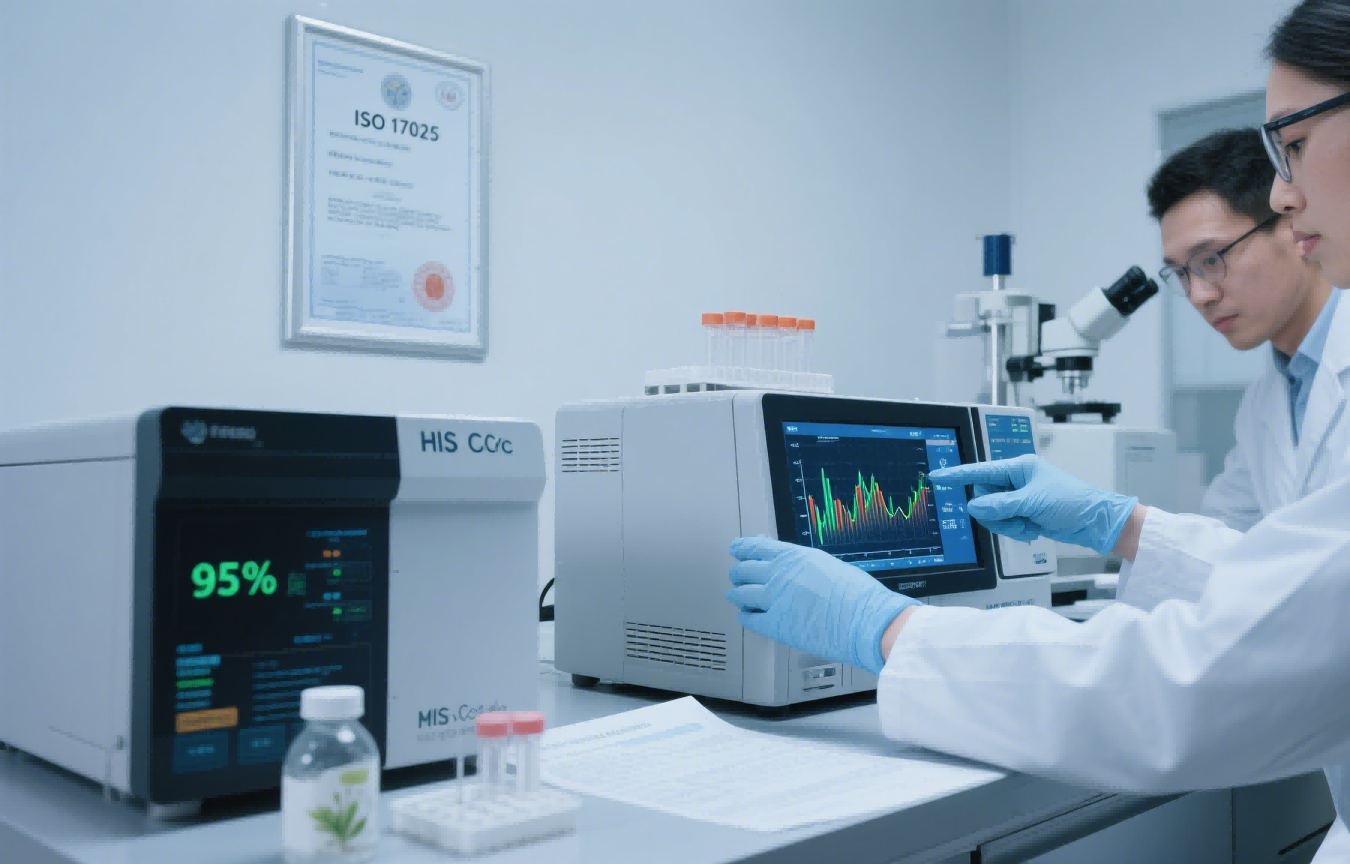
Chinese stevia dominates the global market, but why? The answer lies in its perfect combination of quality, innovation, and competitive pricing.
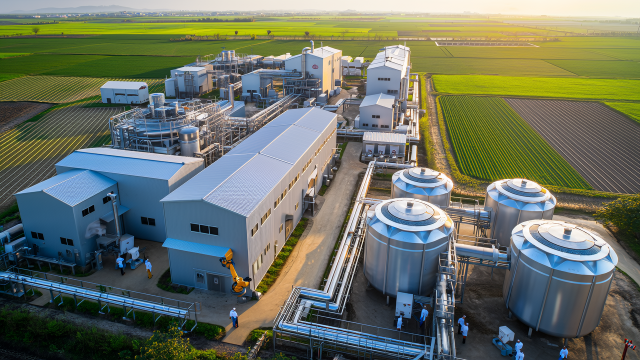
Chinese stevia is popular globally because of its superior cost-performance ratio, advanced purification technology, and complete industry chain. Suppliers like Sinopure control everything from seedling cultivation to final product formulation, ensuring consistent quality and stable supply.
Let's examine the key factors behind this global success story and how it benefits international buyers.## Core Advantages of Chinese Stevia Suppliers
1. End-to-End Supply Chain Control
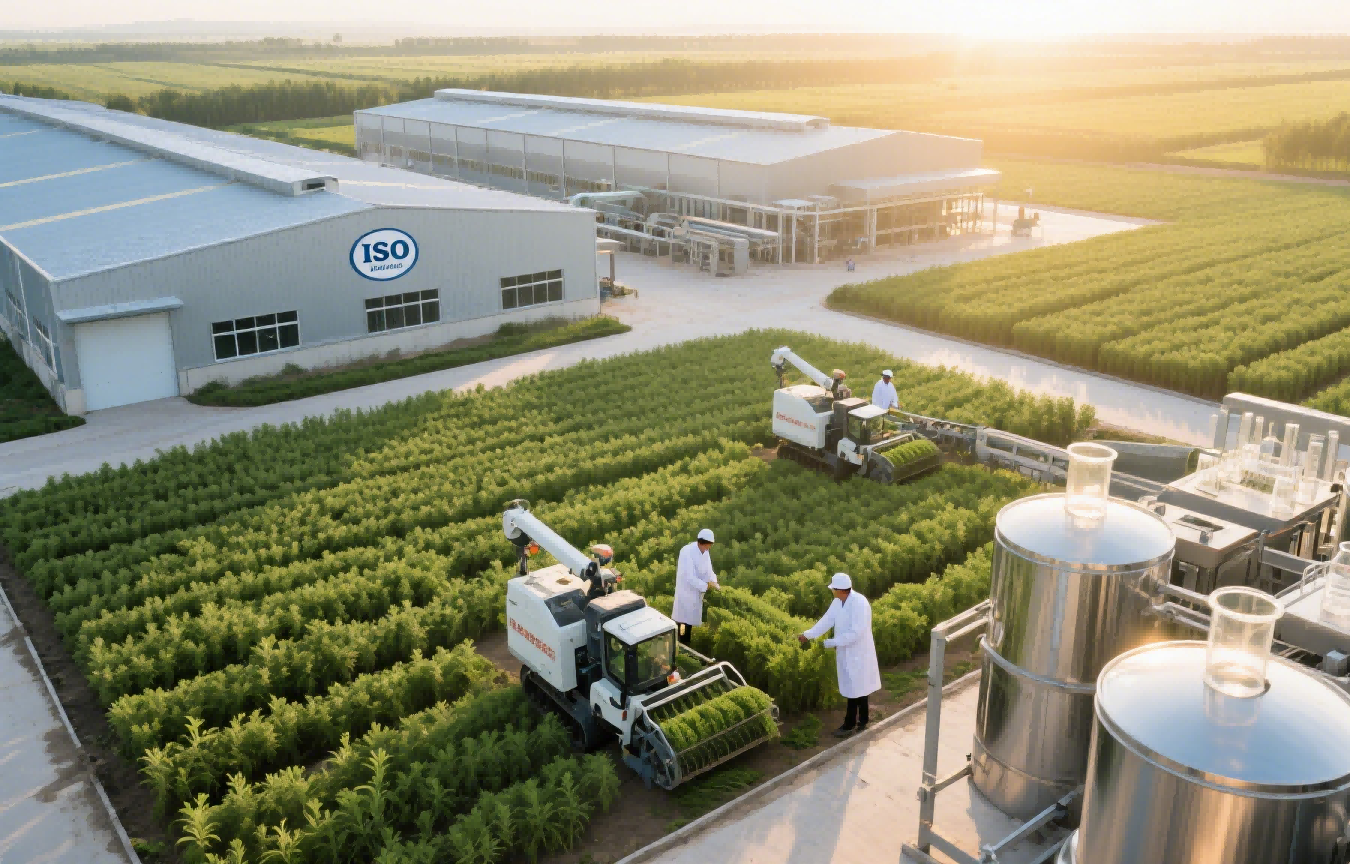
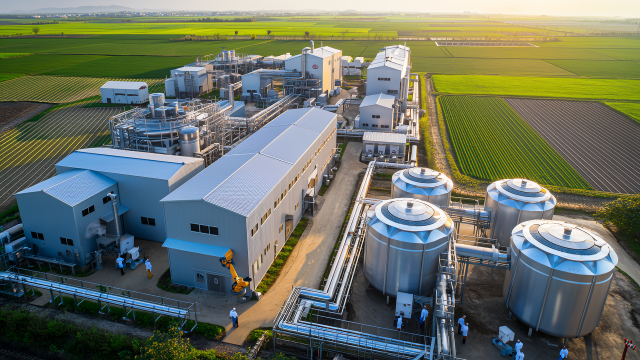
- Vertical integration: From seedling breeding (1/3 of global supply) to 10,000+ acres of farms in Anhui/Gansu, Chinese suppliers manage every production stage.
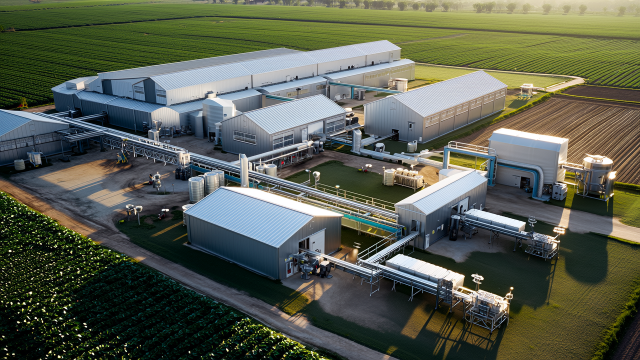
- Example: Sinopure processes 5,000 tons of stevia leaves annually and uses a five-stage purification system for 99% purity Reb A/D/M.
2. Technological Innovation
- Patented extraction methods: Membrane separation and chromatography technologies reduce bitterness.
- Enzyme modification: In-house R&D enables customized solubility for beverages, baking, and pharmaceuticals.
3. Scalability & Cost Efficiency
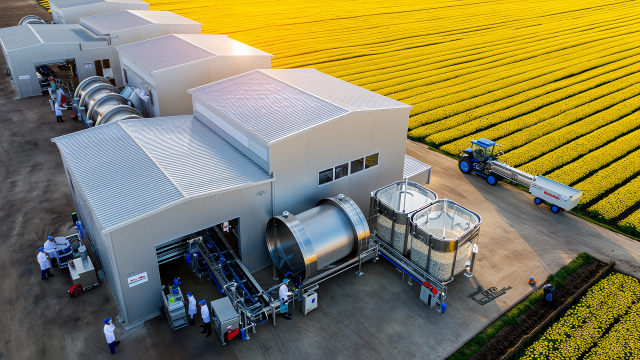
- Mass production: 200-ton annual capacity for single compounds (e.g., Reb M)
- Economies of scale: 30-50% lower costs than non-Chinese suppliers for equivalent purity grades## How to Avoid Common Mistakes When Importing Stevia?
Many first-time importers face costly errors when sourcing stevia from China. Recognizing these pitfalls can save you time and money.
The biggest mistakes include overlooking certifications, ignoring minimum order quantities (MOQs), and failing to test samples. Always verify supplier credentials and request lab reports before large purchases.
Critical Mistakes to Avoid:
-
Ignoring Certifications
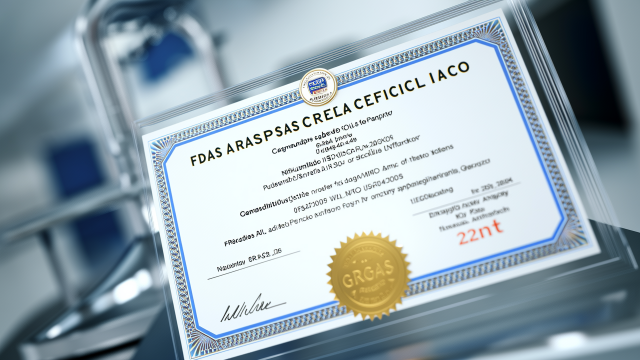
- Only work with suppliers holding FDA GRAS, ISO 22000, and FSSC 22000
- Example: Sinopure holds 7+ international certifications
-
Underestimating MOQs
- Standard MOQs: 500kg+ for bulk powders; negotiate phased deliveries for smaller orders
-
Skipping Sample Testing
- Key tests: purity (Reb A/D/M levels), solubility, aftertaste profile
-
Overlooking Logistics
- Moisture-sensitive packaging: request vacuum-sealed bags with desiccants
- Shipping timelines: factor in 30-45 days for ocean freight## How to Negotiate Prices With Stevia Suppliers?
Price negotiations can make or break your profit margins. Here's how seasoned buyers secure the best deals.
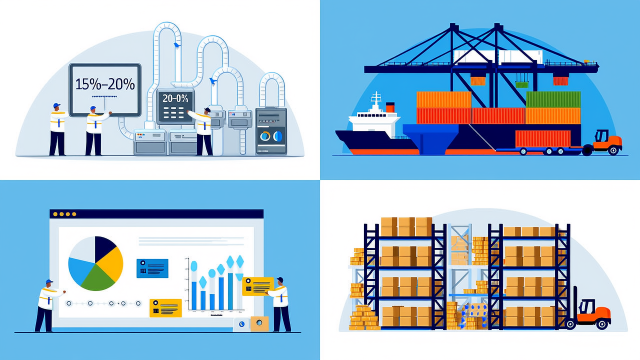
Negotiate better by ordering in bulk, committing to long-term contracts, and understanding cost drivers. Prices vary by purity (90% vs 99% Reb A) and formulation (single compound vs blends).
Price Factors and Negotiation Tactics:
| Factor | Impact on Price | Negotiation Strategy |
|---|---|---|
| Purity Level | 95% Reb A costs 15-20% more than 90% | Buy lower grades for non-premium applications |
| Order Volume | 1MT+ orders get 8-12% discounts | Pool orders with other buyers |
| Payment Terms | TT in advance yields 3-5% lower prices | Offer upfront payment for cost savings |
| Seasonality | Prices drop 10-15% post-harvest (Oct-Dec) | Schedule large orders during low seasons |
How to Understand Stevia Composition Analysis?
Reading a stevia COA (Certificate of Analysis) is crucial for quality control. Let's break down what matters most.
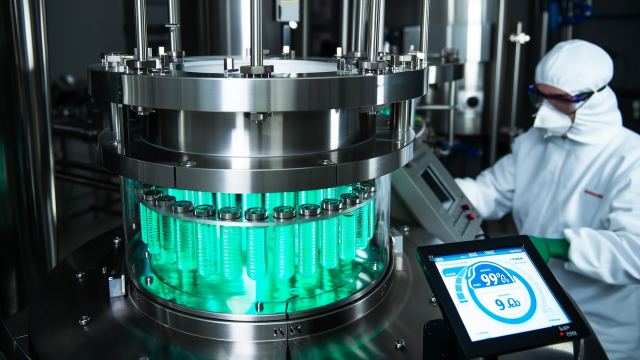
Focus on glycoside profile (Reb A, D, M percentages), solubility, and residual solvents. High-purity Reb M (99%) commands premium pricing but offers cleaner taste.
Key Components in COA:
-
Glycoside Distribution
- Reb A: Standard for food/beverages (70-95% content)
- Reb D/M: Low-bitter options for premium products
-
Purity Metrics
- 80-85%: Cost-effective for blended sweeteners
- 95-99%: Ideal for clean-label or pharmaceutical uses
-
Physical Properties
- Solubility: >50g/100ml for beverage applications
- Bulk density: Impacts dosing accuracy in formulations
-
Safety Standards
- Heavy metals: Lead <1ppm, arsenic <0.5ppm
- Microbial limits: Total plate count <1,000 CFU/g
Conclusion
Chinese stevia succeeds through end-to-end supply chain control, technological innovation, and scalable production. To maximize value, buyers should prioritize certified suppliers, master price negotiation tactics, and validate product specifications through rigorous testing. The result? High-quality stevia that meets global standards at competitive costs.# Conclusion
Chinese stevia succeeds through end-to-end supply chain control, technological innovation, and scalable production. To maximize value, buyers should prioritize certified suppliers, master price negotiation tactics, and validate product specifications through rigorous testing. The result? High-quality stevia that meets global standards at competitive costs.
This article was published on June 23, 2025, and last updated on March 16, 2026. The article will be continuously updated.