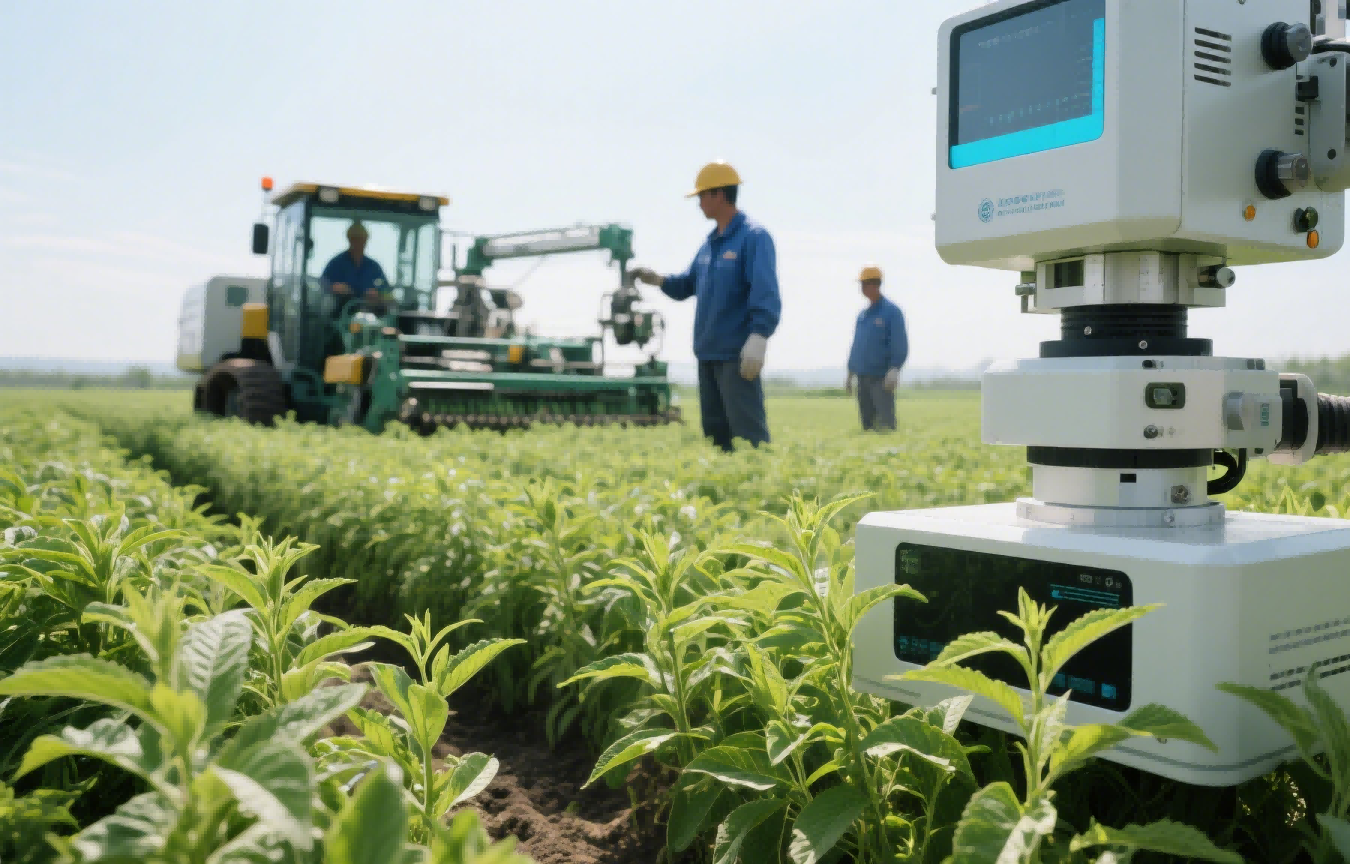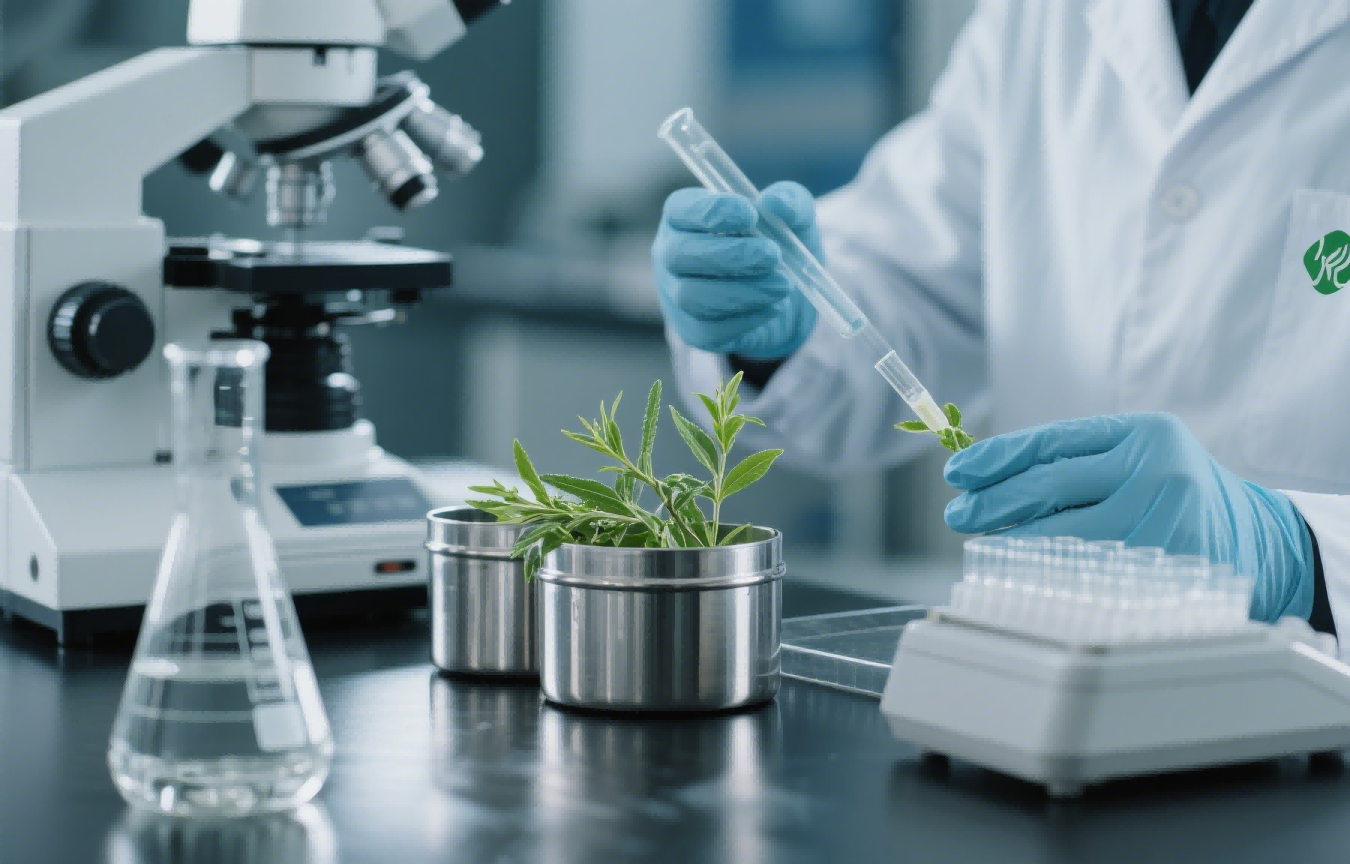

Ensuring stevia purity is crucial for product quality and regulatory compliance. But what methods reliably verify these levels?
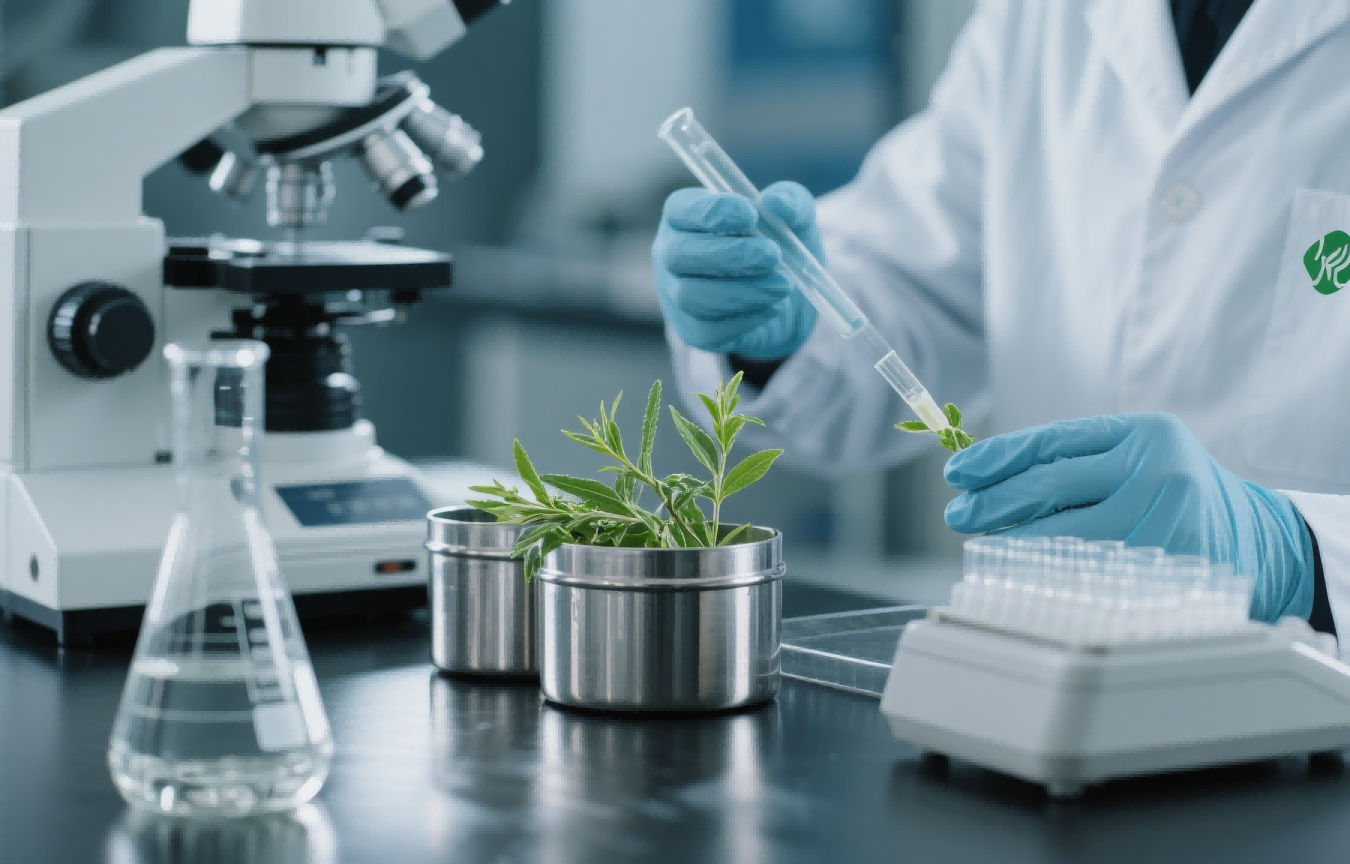
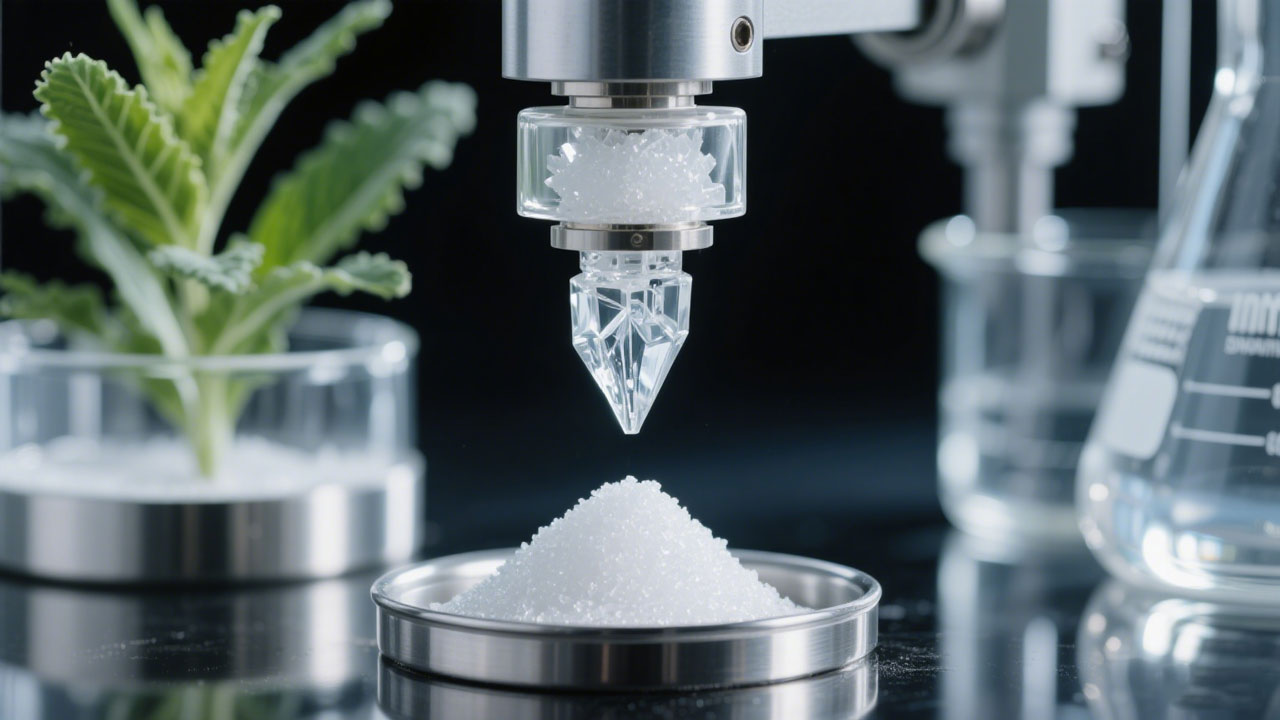
Stevia purity is best checked through HPLC analysis, certificate of analysis (COA) verification, and third-party lab testing. Our five-stage membrane separation system guarantees 95-99% purity for Reb A/D/M glycosides.
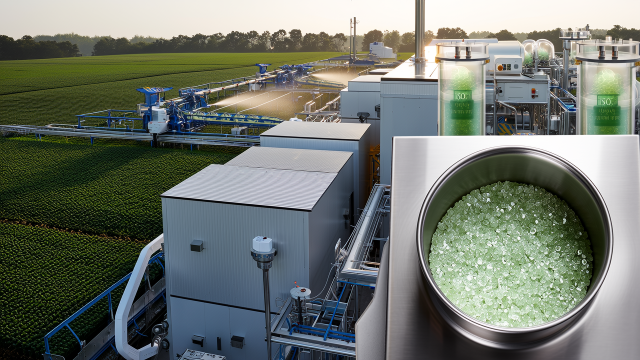 Let's examine the professional techniques we use to guarantee stevia purity at every production stage.
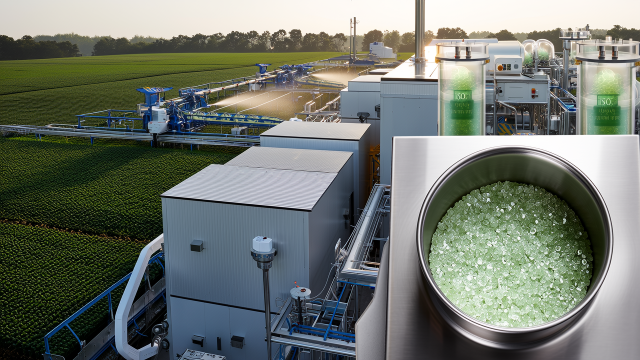
What Are the Main Applications of Reb-A Stevia?
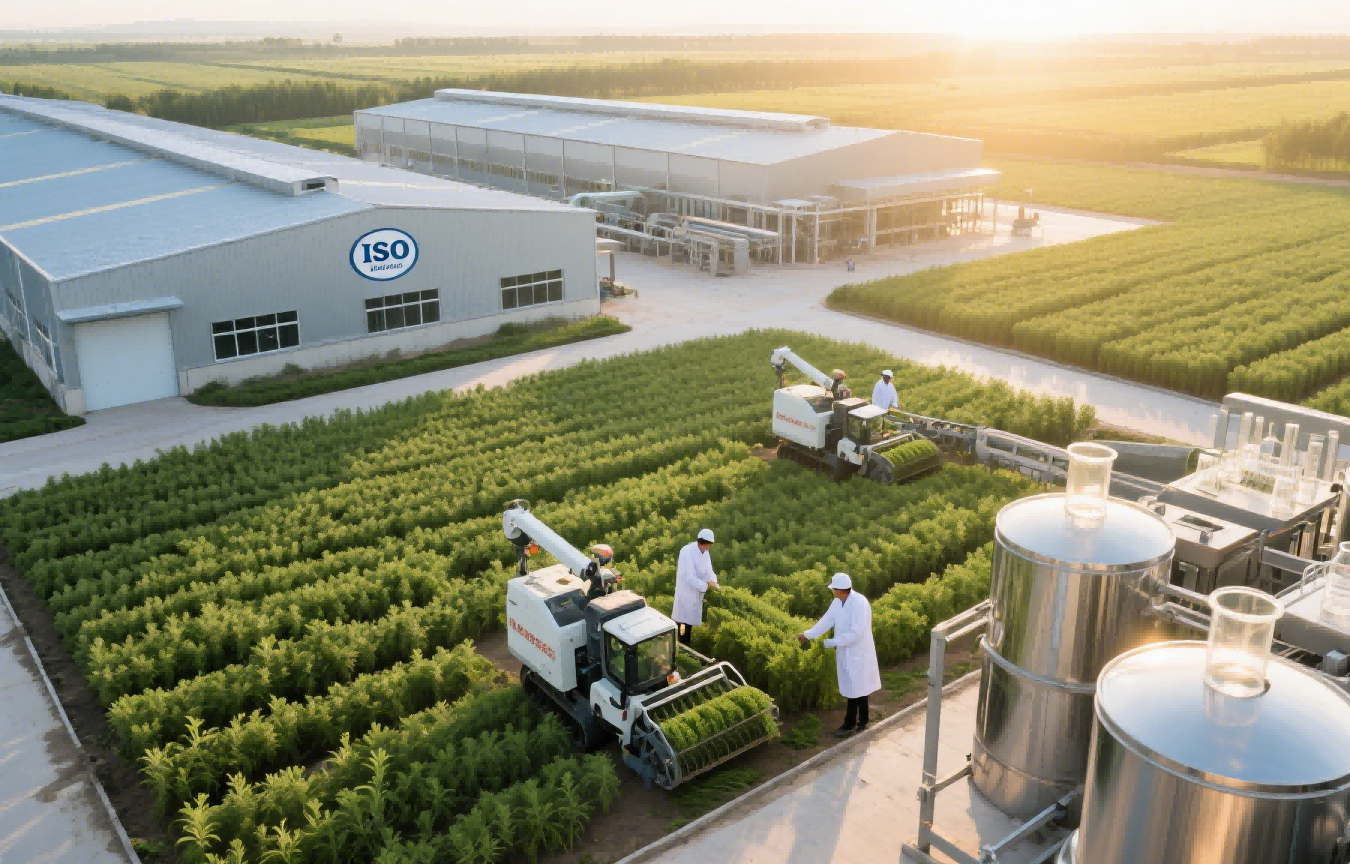
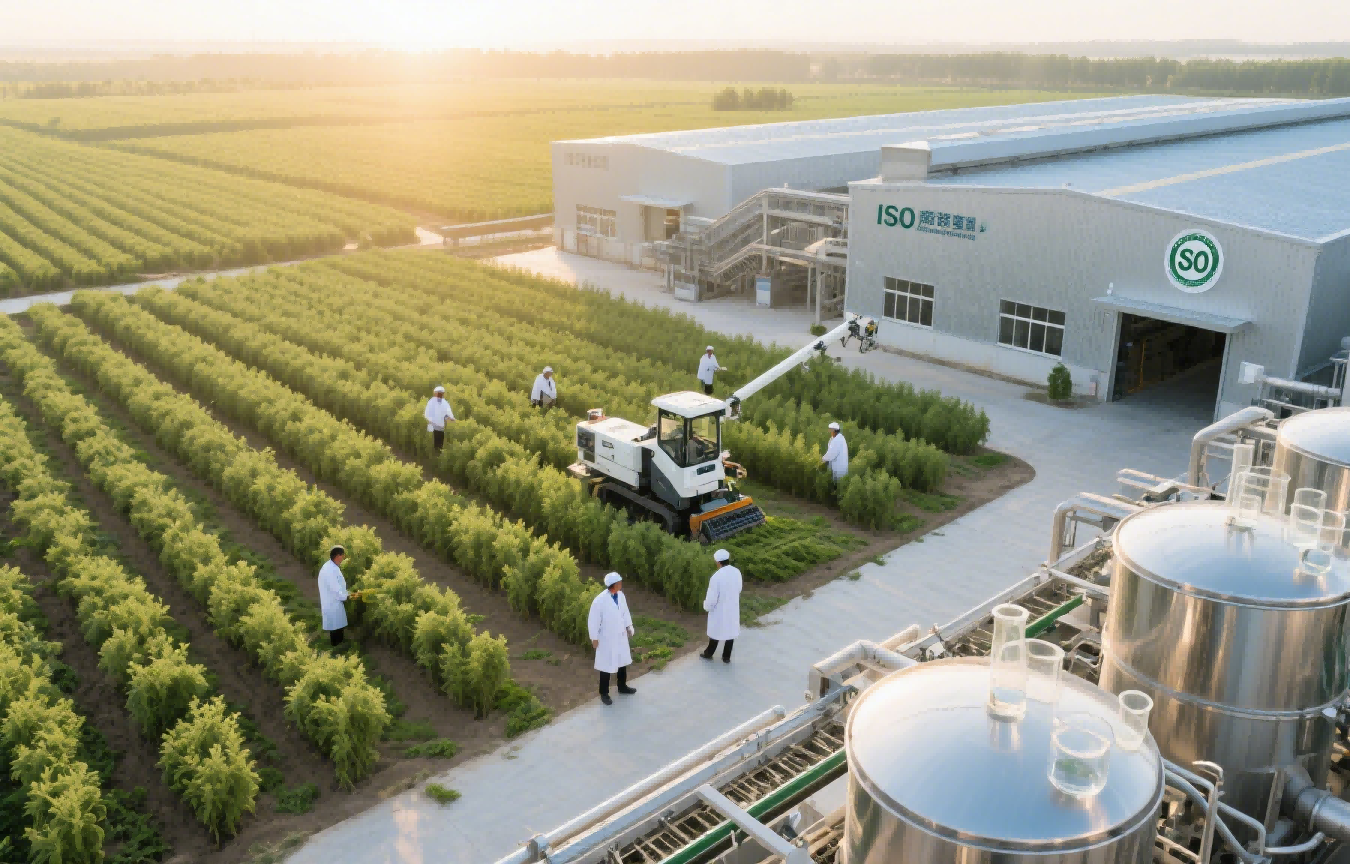
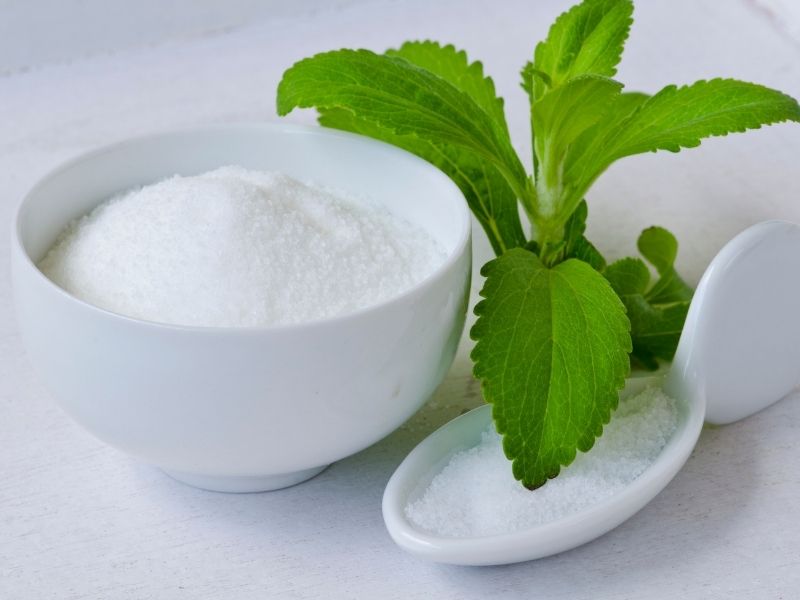
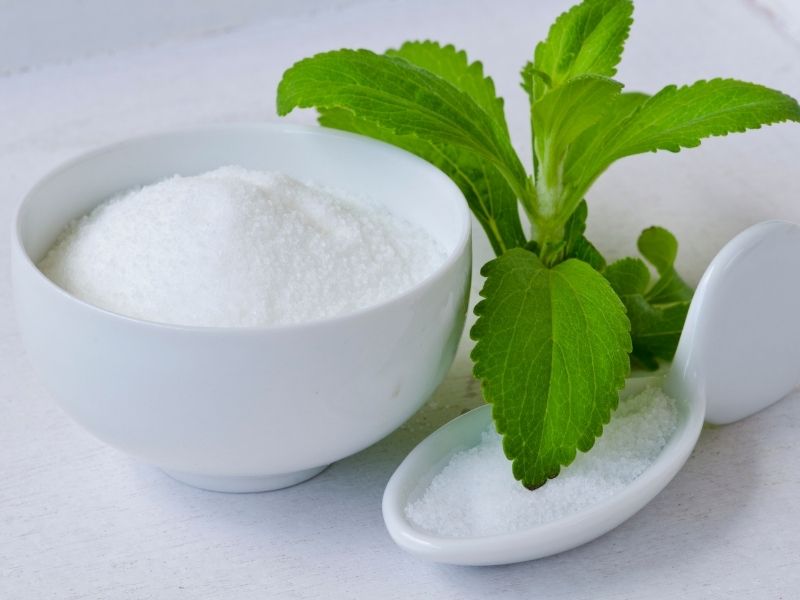
Reb-A dominates commercial stevia use, but what makes it so versatile across industries? Reb-A (90-95% purity) is ideal for beverages, dairy, and processed foods due to its balanced sweetness and cost-effectiveness. Our 200MT annual production meets diverse industrial needs.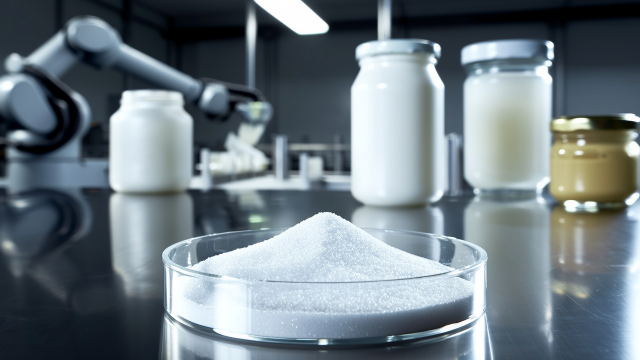
Key Use Cases:
- Beverage Industry
- Dairy Products
- Processed Foods
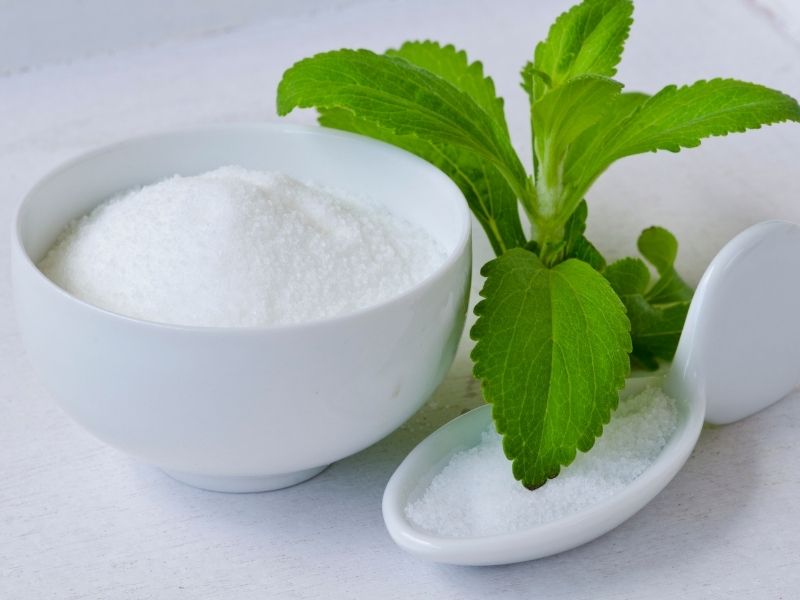
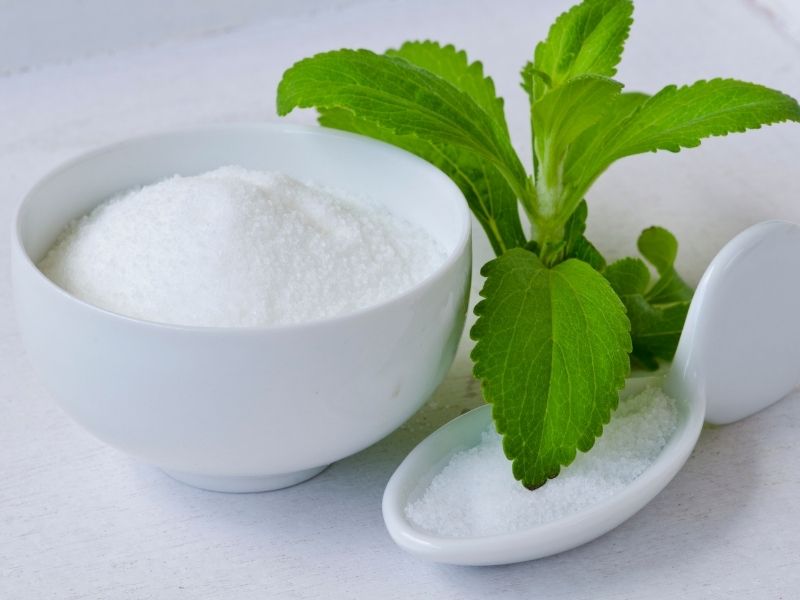
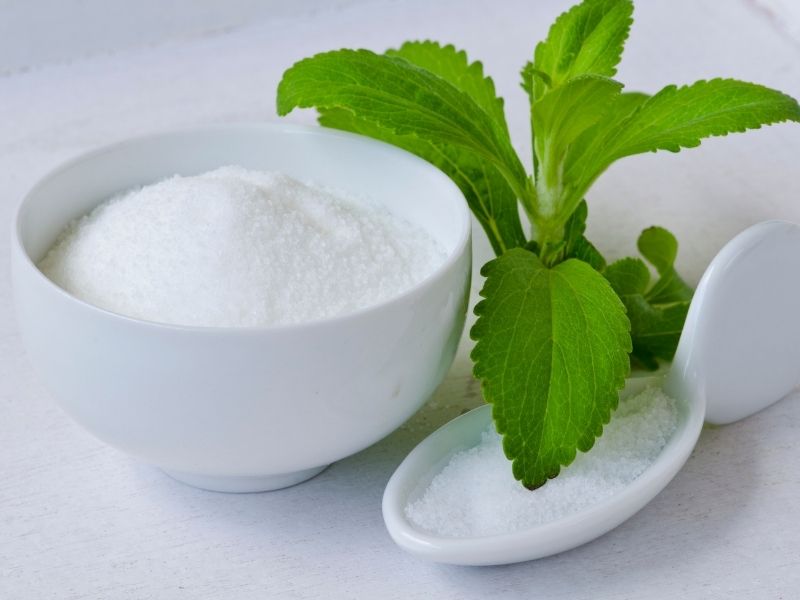
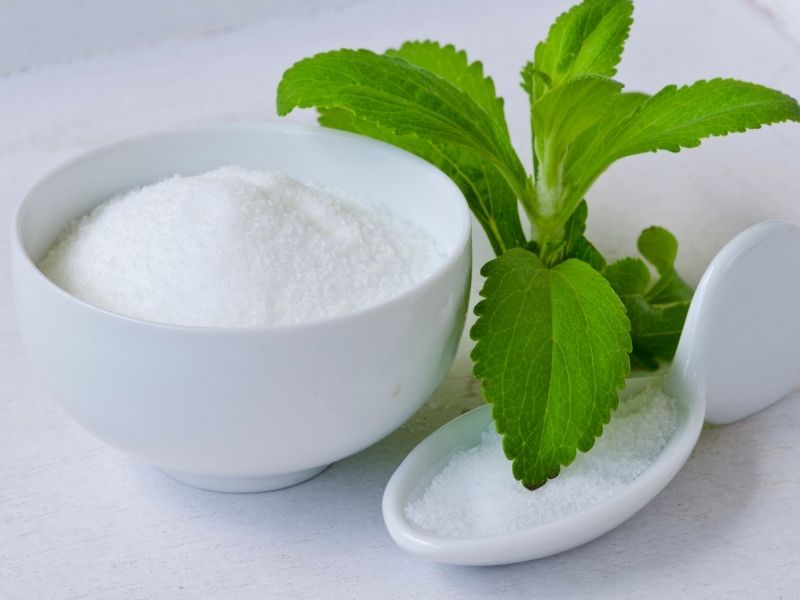
What Are the Best Stevia Products for Beverages?
Beverage formulations demand specific stevia properties. Which products deliver optimal performance? Glucosyl steviosides with 80-99% purity and our enhanced solubility formulas work best for beverages. The directional enzyme-converted technology eliminates common precipitation issues.
Beverage-Specific Solutions:
| Product Type | Purity | Advantage | Typical Use |
|---|---|---|---|
| Reb M 95% | 95%+ | Clean taste | Premium drinks |
| Enzyme-Modified | 90% | No aftertaste | Iced teas |
| Glucosyl Stevia | 80% | High solubility | Carbonated drinks |
What Are the Latest Trends in Stevia Sweeteners?
The stevia market evolves rapidly. What innovations are shaping its future? Top trends include cleaner-label Reb M/D, organic certifications, and hybrid sweetener systems. Our research focuses on bitterness-masked and thermostable variants.
Emerging Developments:
- Next-Gen Glycosides
- Sustainable Sourcing
- Application-Specific Blends
This article was published on June 23, 2025, and last updated on March 26, 2026. The article will be continuously updated.