.webp)
What Are the Safety Standards for Stevia Sweeteners?
With stevia becoming a mainstream sweetener, consumers and manufacturers alike wonder: is it truly safe? The answer lies in strict international regulations.
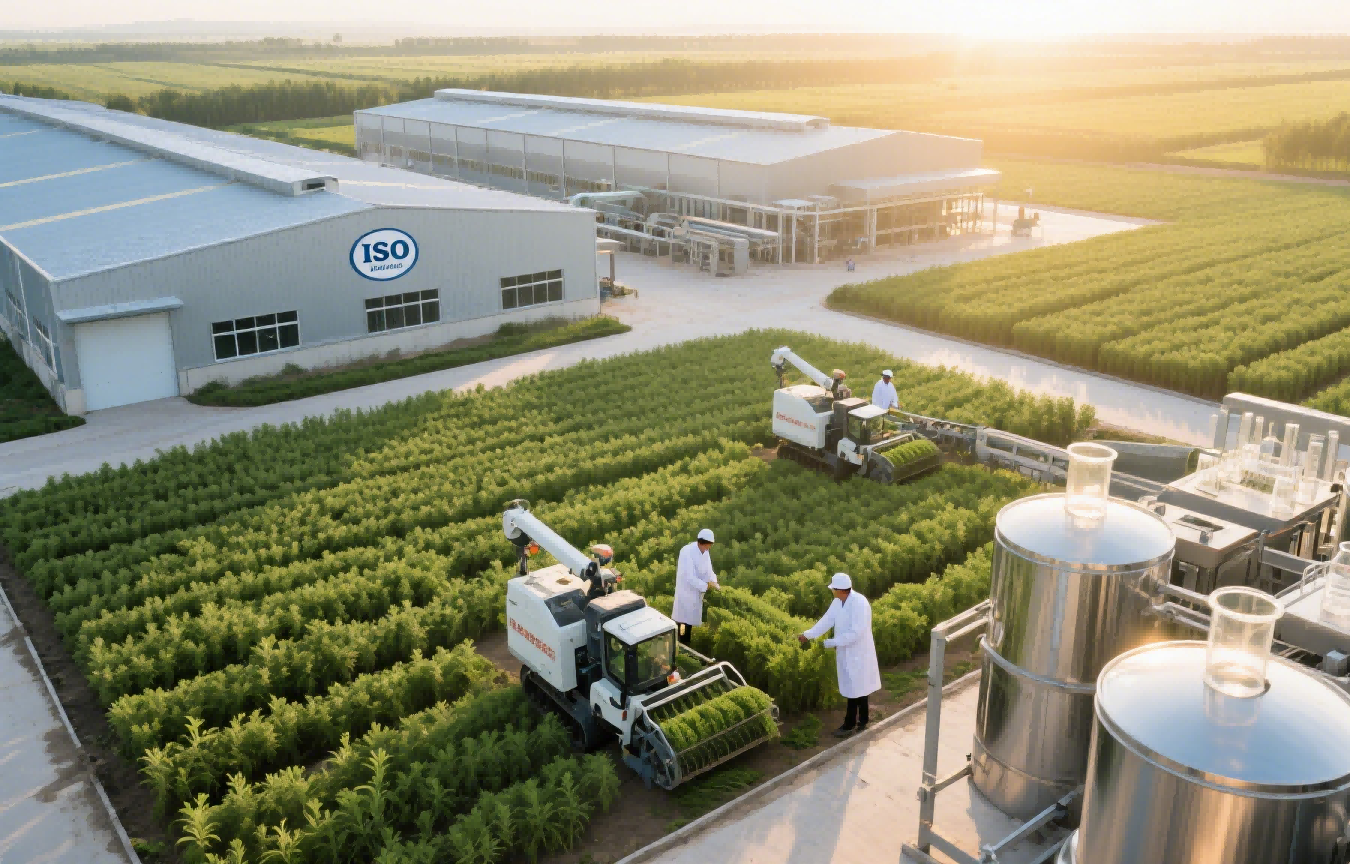
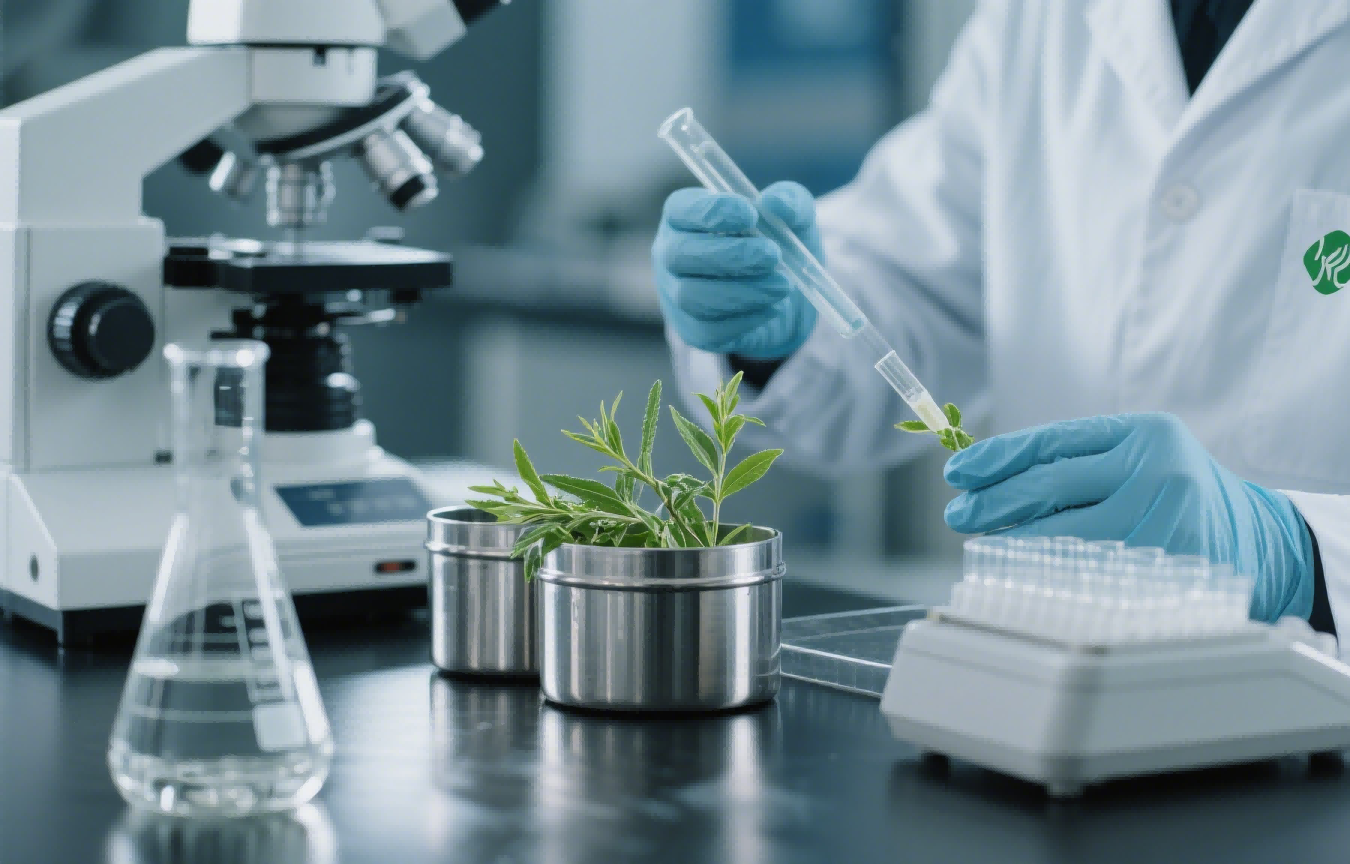
Stevia safety is governed by major food authorities that set purity criteria and acceptable daily intake levels. As a manufacturer, we comply with FDA GRAS, EFSA, and JECFA standards that approve high-purity steviol glycosides (≥95%) as safe [3][6].
Understanding these standards helps ensure you're getting genuinely safe products. Let's examine what makes stevia sweeteners trustworthy.## How Does Climate Affect Stevia Production?
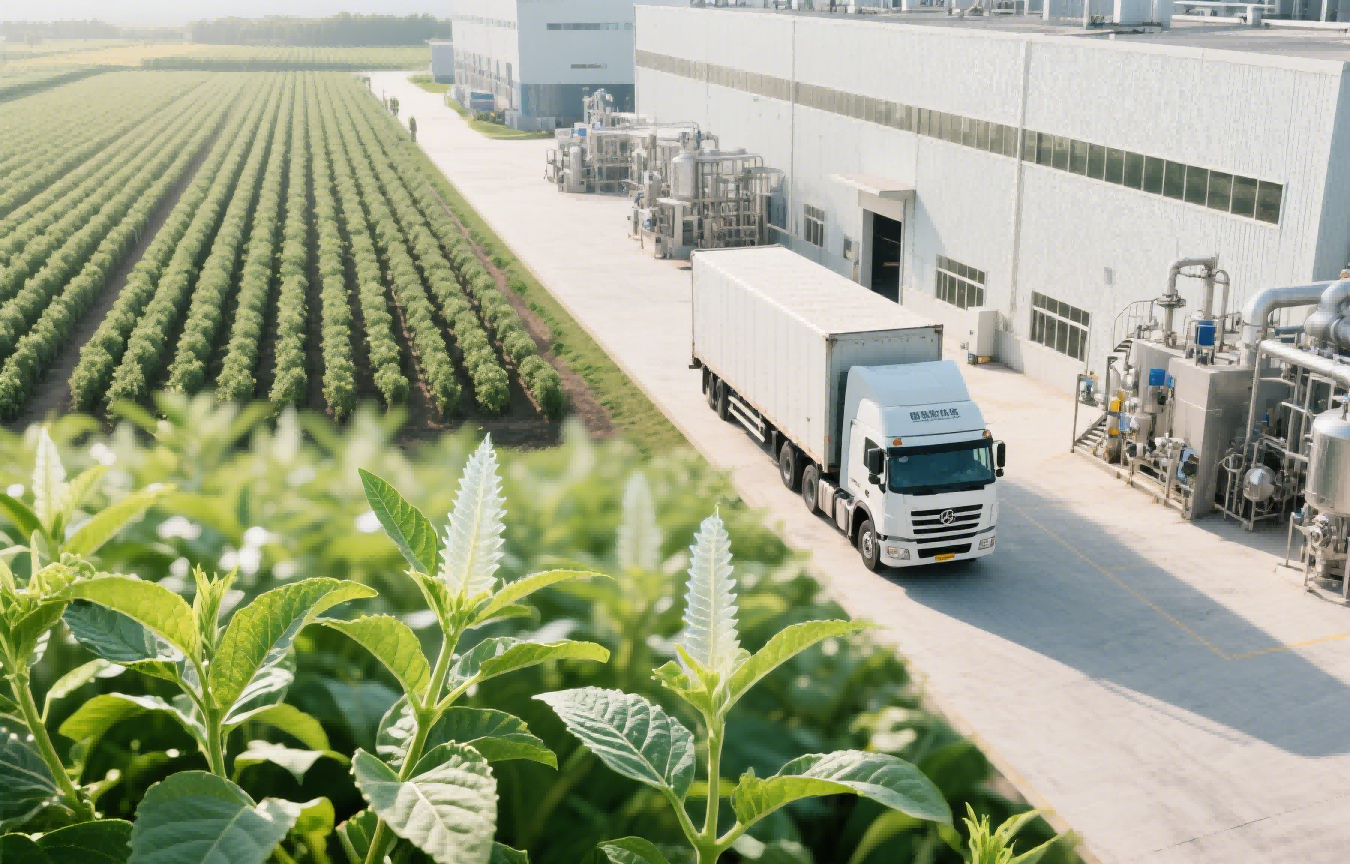
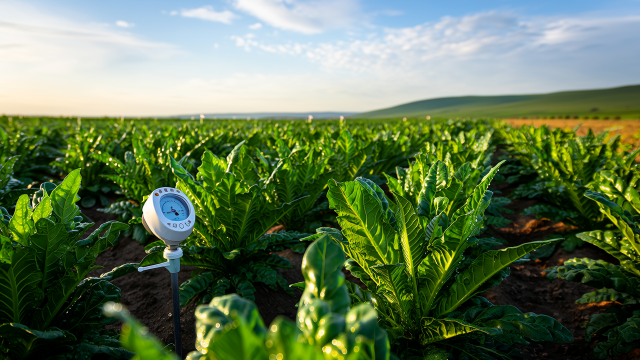
Stevia isn't just grown anywhere - it requires specific climate conditions to thrive and produce high yields of sweet glycosides.
Ideal stevia conditions are warm days (20-30°C), cool nights, and consistent rainfall. The plant grows best between 30°-45° latitude, with our farms in China's Anhui province being prime locations [1][5].
Climate Impact on Three Key Factors:
-
Glycoside Content
- Higher Reb A in warm climates
- Cool nights increase overall glycoside yield
-
Growth Cycles Climate Condition Effect on Growth Ideal Scenario Temperature >35°C Stunted growth 25-30°C daytime Rainfall <500mm/yr Smaller yields 1000-1400mm annually Frost exposure Plant death Frost-free period -
Harvest Timings
- 3 harvests/year possible in tropical regions
- 1-2 harvests in temperate zones
Our 30 years of cultivation experience shows that microclimate management (like shading nets) can optimize yields despite weather changes [2].## What Are the Key Differences Between Stevia Types?
Not all stevia is created equal. The market offers different grades and compositions, each suited for specific applications.
Stevia products vary by purity (80-99%), glycoside profile (Reb A/D/M), and formulation type (single compound vs blends). Industrial users should match types to their processing needs [1][4].
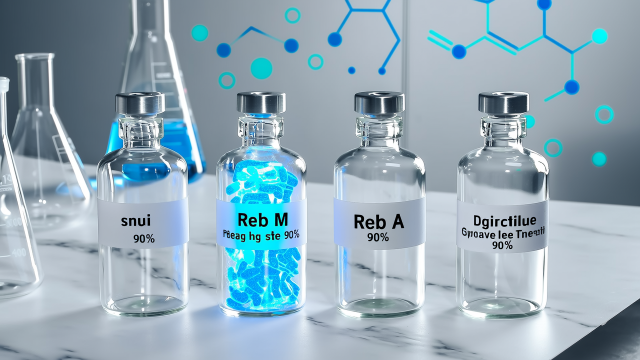
Comparison of Major Stevia Types:
| Type | Purity | Best For | Price Range | Example Use |
|---|---|---|---|---|
| Crude Extract | 40-60% | Industrial processing | $ | Bulk sweetener production |
| Reb A 90% | 90%+ | Beverages, dairy | $$ | Soft drinks, yogurt |
| Reb M 95% | 95%+ | Premium foods | $$$$ | Clean-label products |
| Enzyme-Modified | Varies | Heat applications | $$$ | Baked goods |
Our proprietary enzyme conversion process creates customized blends that solve common issues like aftertaste or solubility [4].## What Are the Benefits of Organic Stevia?
Organic stevia meets growing consumer demand for natural, chemical-free ingredients, but what exactly makes it special?
Organic certification guarantees no synthetic pesticides, non-GMO status, and sustainable farming practices. While costing 20-30% more than conventional, it commands premium positioning [3].
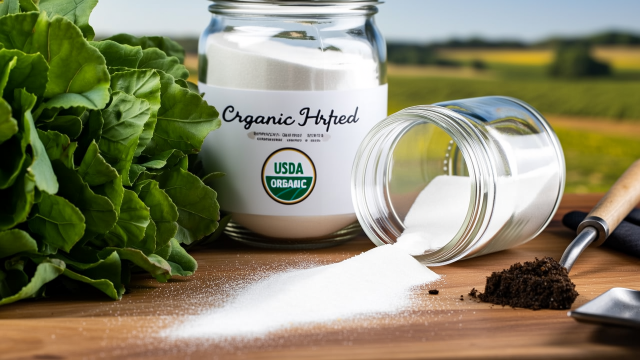
Organic vs Conventional Farming:
-
Certification Requirements
- No synthetic pesticides (3-year transition)
- Organic fertilizer only
- USDA/EU organic standards
-
Market Advantages
- 15% annual growth in organic sector [6]
- Preferred by health-conscious consumers
-
Production Differences
- Lower yields (15-20% less)
- Manual weed control increases costs
Our organic line uses traditional Chinese herbs as natural pest deterrents, combining ancient wisdom with modern extraction [2][6].
Conclusion
From safety certifications to climate-specific farming and organic options, today's stevia market offers diverse solutions for every need while maintaining rigorous quality standards.# Conclusion
From safety certifications to climate-specific farming and organic options, today's stevia market offers diverse solutions for every need while maintaining rigorous quality standards.
This article was published on June 23, 2025, and last updated on March 16, 2026. The article will be continuously updated.